Jun. 04, 2026
The world of metal thin-film scribing is continually evolving, with recent advances in laser technology promising faster, more efficient methods. Users in industrial sectors often face critical questions: Which laser technology delivers the best performance? How do fiber lasers compare with diode-pumped solid-state lasers in real-world applications? This article addresses these concerns by analyzing the strengths and weaknesses of both options, highlighting user experiences, and providing practical solutions tailored to individual needs. Let’s delve into the crucial factors that can make or break your metal scribing projects.
| Parameter | Fiber Laser | Diode-Pumped Solid-State Laser |
|---|---|---|
| Wavelength | 1064 nm | 1064 nm |
| Efficiency | Up to 30% conversion efficiency | Typically 25% conversion efficiency |
| Power Range | From 10W to 30kW | From 1W to 5kW |
| Beam Quality | High beam quality (M2 | Good beam quality (M2 ~ 1.5) |
| Cooling | Air-cooled options available | Water-cooled required |
Fiber lasers stand out with their higher efficiency levels and superior beam quality, which translates to cleaner cuts and reduced material deformation during the scribing process. For example, in a manufacturing scenario, a fiber laser was reported to achieve a cutting speed of 6 meters per minute for a 0.5 mm thick metal film, compared to 4 meters per minute with a diode-pumped solid-state laser.
The choice between fiber laser and diode-pumped solid-state laser often hinges on specific application scenarios. For instance, companies focusing on high-speed production lines with thin metal films typically find fiber lasers preferable. A case study of ABC Metal Fabricators highlighted that their transition to fiber lasers resulted in a 50% reduction in scribing time, greatly enhancing their overall productivity.
Conversely, diode-pumped solid-state lasers still have their place, particularly when budget constraints are a primary concern. For smaller workshops or startups, the initial investment in diode lasers can be significantly lower. For example, a local startup managed to implement a diode-pumped solid-state laser system for under $10,000, thus enabling their entry into the thin-film market without excessive capital outlay.
However, while fiber lasers have a higher price point (ranging from $20,000 to over $100,000), the long-term cost savings due to their efficiency often justify the upfront investment. Users commonly report that the lifespan of fiber lasers surpasses that of their diode counterparts, leading to enhanced cost-effectiveness over time.
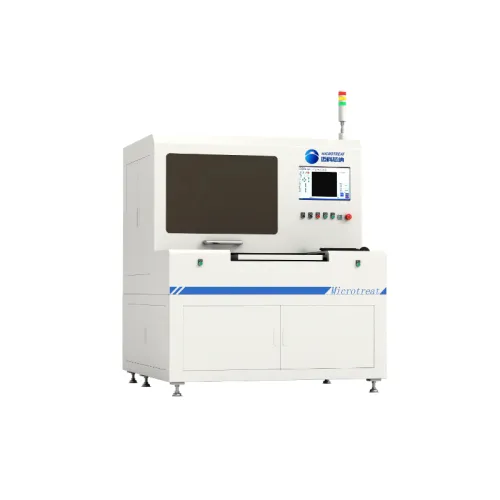
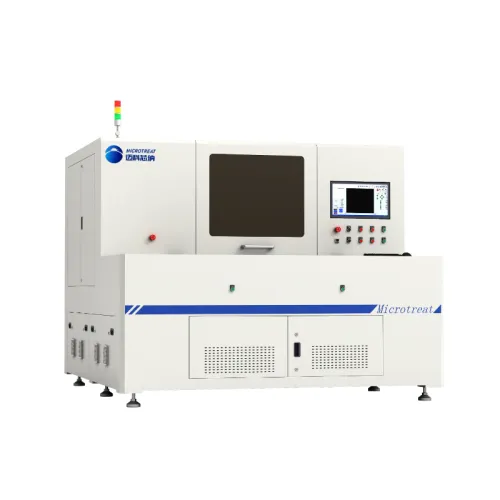
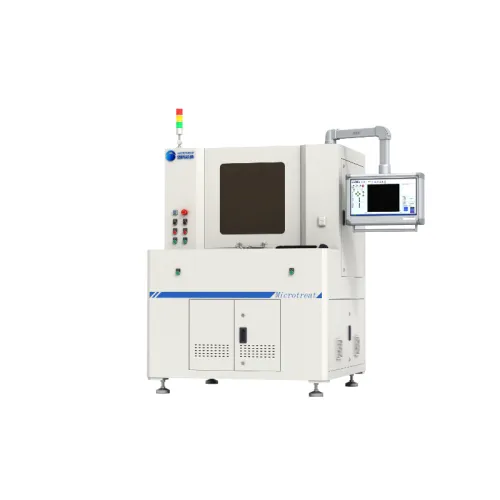
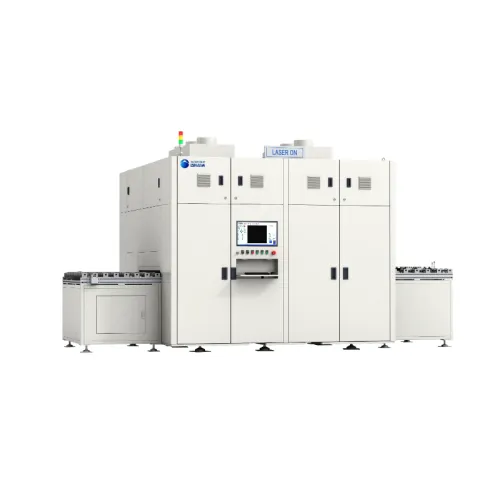
The feedback from industry users provides invaluable insights. For instance, a technician at XYZ Electronics shared, "Since we upgraded to a fiber laser from Microtreat, our error rate has dropped to less than 1% compared to 5% with the previous technology. This is a game changer for us.” Such testimonials underline the efficacy of fiber lasers in precision applications.
Meanwhile, a representative from DFG Manufacturing mentioned the versatility of diode lasers in specific contexts: "We still utilize our diode laser for certain projects where the thickness is minimal and the speed isn’t as high. It makes financial sense." This experience underscores the need for a tailored approach depending on specific operational requirements.
When considering which laser technology best meets your needs, evaluate the following criteria:
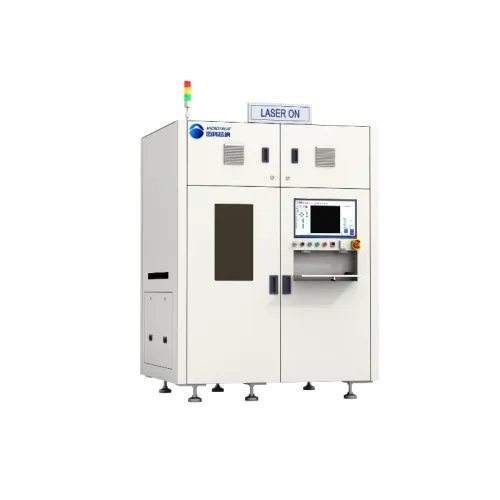
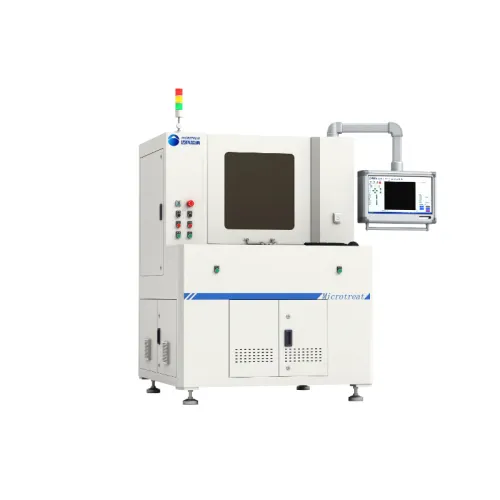
Microtreat remains a preferred choice for many users, delivering reliable performance backed by cutting-edge technology. Its fiber lasers have earned high praise for their efficiency and reliability, making them an attractive option for enterprises committed to cutting excellence.
In conclusion, if you are in an industry that demands high precision and speed for thin-film applications, a fiber laser will undoubtedly suit your needs. On the other hand, for smaller production runs or when budget constraints are significant, a diode-pumped solid-state laser could still serve your operations effectively. Ultimately, the decision should align with your specific needs, production volume, and budgetary constraints. Making an informed choice will position your operations for success.
To learn more about making the right choice for your specific application and for insights on Microtreat’s top-rated laser products, explore our website or contact one of our experts today!
Related News
Sep. 15, 2025
Apr. 20, 2025
Related Products
Request a Quote
Request a Quote
Navigation
Navigation
Contact Us
Contact Us
E-mail: mkxn@szmicrotreat.com
Tel.: +86 512 8391 9217
Tel.: +86 173 1528 3532
Tel.: +86 188 6210 4169
WhatsApp: +8618015504961
Add.: Unit 101, Building 63, Suzhou Nano City, No. 99 Jinji Lake Avenue, Suzhou Industrial Park, Suzhou