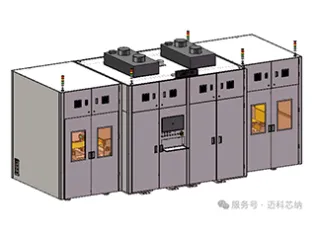
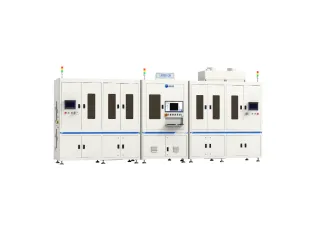
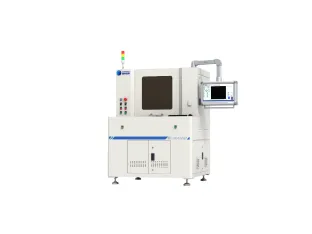
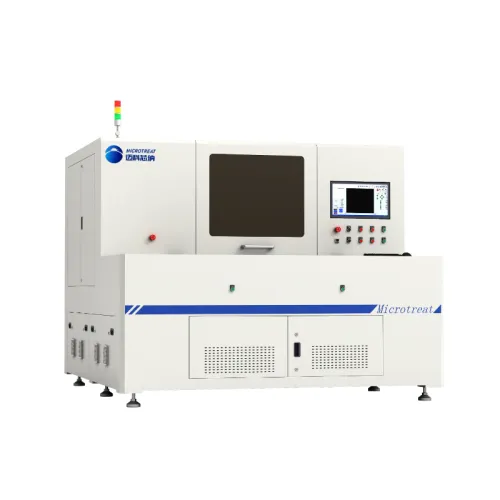
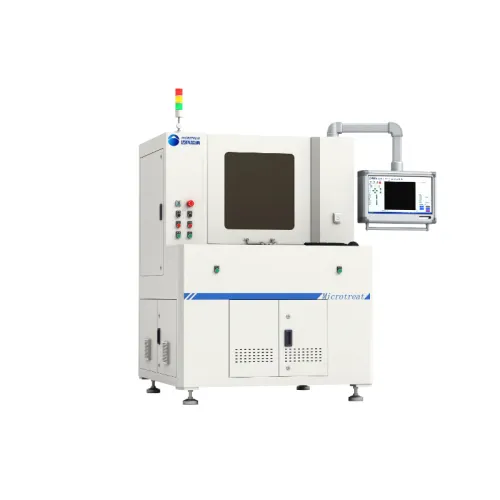
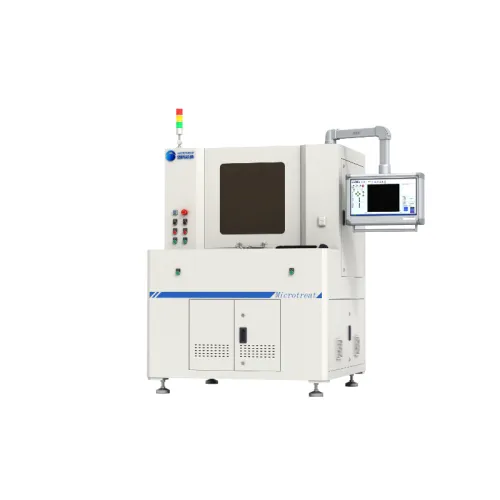
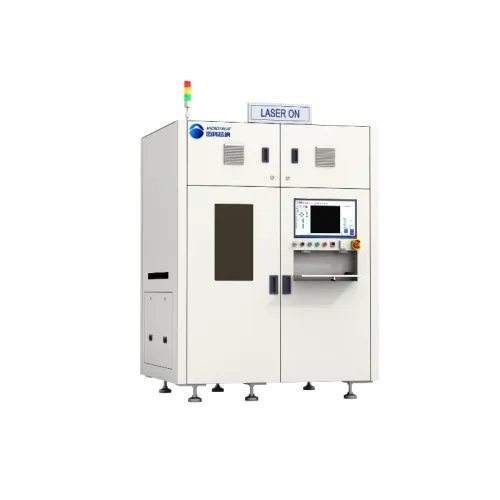
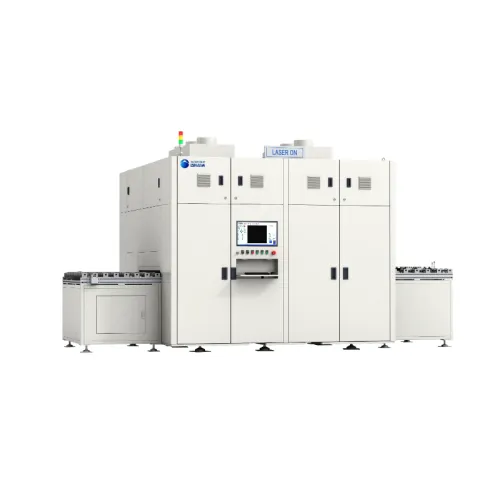
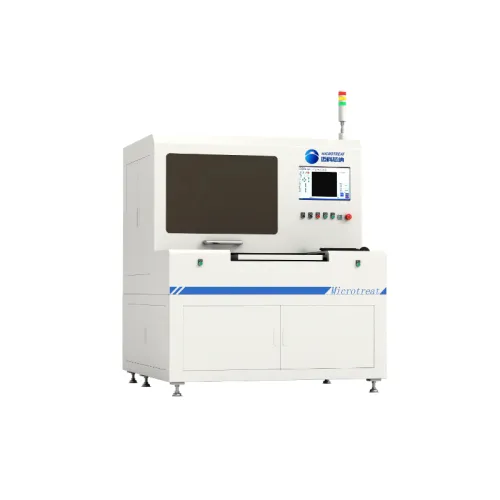
The rapid growth of solar energy production comes with its own set of challenges, especially when it comes to the efficiency and yield of solar cells. A pressing issue in the production of PERC (Passivated Emitter and Rear Cell) and HJT (Heterojunction) solar cells is busbar isolation. Poor isolation can lead to energy loss, thereby reducing overall yield. This is where laser scribing significantly steps in, presenting a solution that not only enhances the efficacy of the manufacturing process but also addresses pain points that engineers consistently face. With improving productivity being crucial, the implementation of systems like Laser Scribing Machines from
Microtreat provides a pathway to optimize solar cell performance.
The benefits of laser scribing in PERC and HJT solar cells are rooted in its ability to enhance busbar isolation effectively. Statistics indicate that implementing laser scribing technology can lead to a yield increase of up to 20% under optimal conditions by ensuring precise separation without affecting the cell's structure. This technology enables the creation of narrower busbars, reducing shading on active areas, which, according to a study by the International Renewable Energy Agency, can improve overall cell efficiency readings from 19.5% to above 21% for new solar cell designs. The attention to detail that laser scribing provides also minimizes the occurrence of micro-cracks during production—a critical pain point that can otherwise lead to failure rates peaking at 15% in traditional settings.
Comparing laser scribing to traditional separation methods unveils distinct favorable outcomes. Conventional methods can result in less precise cuts, leading to more rewiring and higher material waste. For example, by utilizing traditional processes, up to 25% of materials can become unusable due to improper isolation, resulting in significant cost implications. In contrast, laser scribing maintains a high yield of usable materials, demonstrating its efficacy in reducing operational costs compared to traditional vs. modern techniques. Businesses can expect lower material costs and a substantial drop in energy consumption during the production process.
Moreover, the longevity of systems using laser technology outweighs older methods; laser scribing solutions can operate with reduced maintenance needs while sustaining high throughput. The adaptability of the
Microtreat laser scribing machine allows for easy integration into existing production lines, facilitating a smoother transition and lowering disruption costs. In practical settings, companies experienced increased productivity rates by approximately 30% within the first quarter of installing laser scribing solutions, showcasing how strategic investment can transform operational output.
The direct correlation between laser scribing technology and enhanced solar cell performance underscores a vital value proposition for manufacturers committed to achieving greater efficiency. Customers utilizing Microtreat’s advanced laser scribing machines have highlighted not only improved product quality but also an enriching return on investment, confirming a transition worth considering. This edge in technology will enable manufacturers to meet not just local, but global energy demands effectively.
For those looking to delve deeper into the potentials of laser scribing in solar cell production, we encourage further exploration into Microtreat solutions. Experience firsthand the transformative impact laser scribing machinery can have on your solar energy systems, paving the way for innovative growth in renewable energy applications.