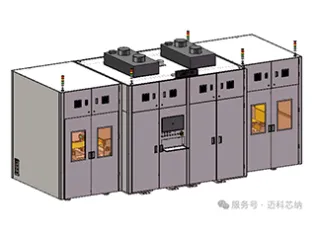
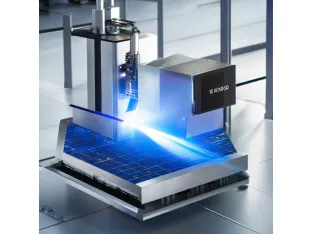
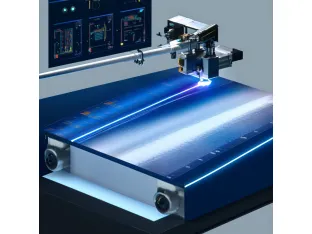
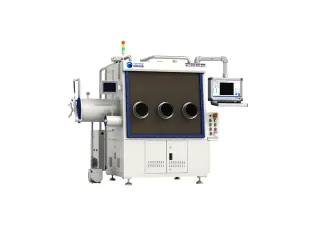
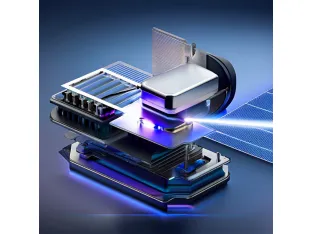
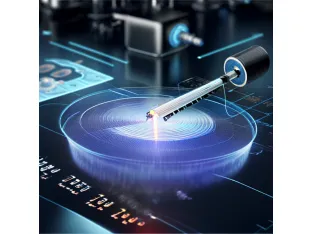
In the landscape of advanced manufacturing, narrowing kerf widths is a critical factor for enhancing material utilization, especially in industries such as electronics and glass processing. Traditional cutting methods often struggle against the limitations inherent in material waste and precision. Users frequently encounter pain points related to excessive material loss during the cutting process, resulting in hampered efficiency and increased operational costs. Enter laser scribing technology, which offers a groundbreaking solution, enabling kerf widths as narrow as 10 μm, resulting in remarkable material conservation and optimization.
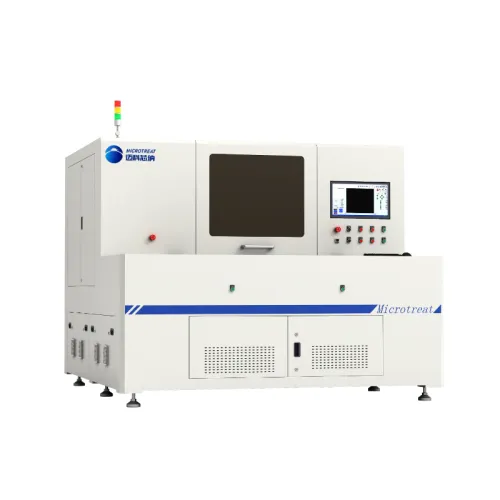
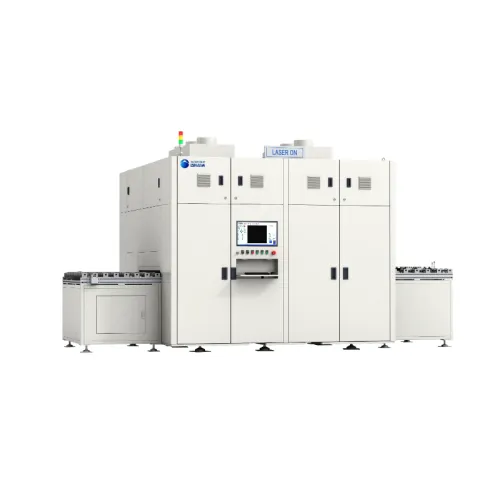
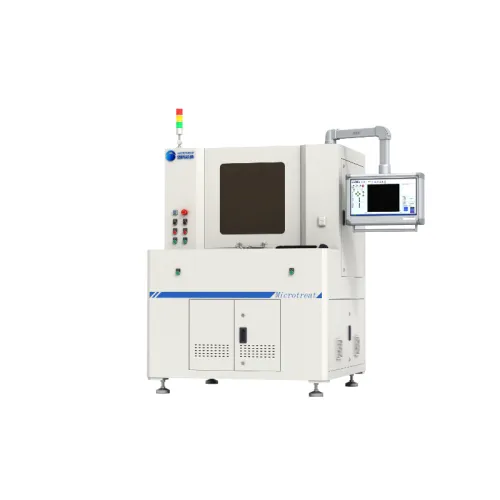
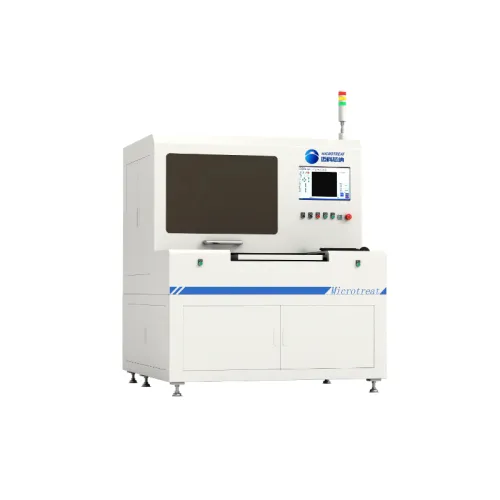
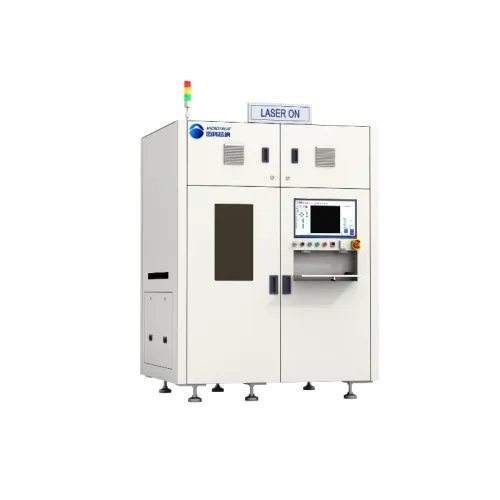
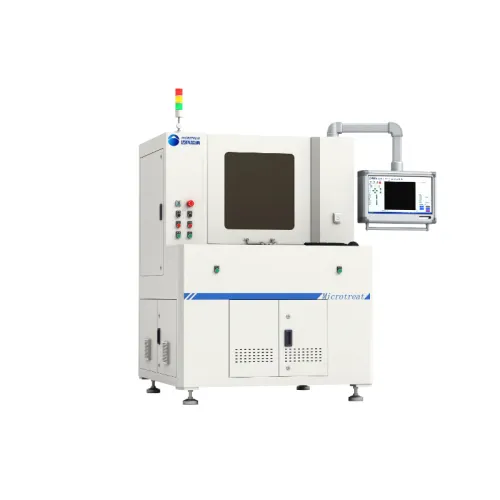
The benefits of laser scribing, particularly when utilizing a top-tier Laser Scribing Machine such as those offered by
Microtreat, cannot be overstated. This process not only minimizes kerf width but significantly improves the quality of cut edges, often achieving a surface roughness that supports higher yields in subsequent manufacturing processes. By decreasing kerf widths, manufacturers can expect to utilize up to 95% of the original material, a significant leap compared to traditional methods, which often result in 30-50% waste depending on the material type.
Further cementing this advantage are the time efficiencies brought forth by laser scribing. Compared to mechanical cutting methods, laser scribing can increase productivity by as much as 50%, thanks to its ability to process materials faster without compromising precision. For example, when cutting complex geometries in glass, laser scribing provides a laser beam that can execute cuts at speeds upwards of 1000 mm/s while achieving a consistent kerf width of only 10 μm. This precision facilitates the seamless integration of design and functional requirements, leading to greater design flexibility and innovation.
A direct comparison illustrates how
Microtreat's laser scribing capabilities outperform traditional methods distinctly. For instance, while traditional cutting methods might produce a kerf width averaging 200 μm or more, which significantly impacts yield and material costs, Microtreat's advanced systems can achieve fractions of that width. Microtreat's laser scribing not only alleviates the issue of waste but enhances fabrication capabilities across various materials, including semiconductors and ceramics.
Moreover, investing in laser scribing technology has demonstrated tangible financial benefits. Companies that adopted Microtreat's systems reported an increase in production output by up to 37%, directly correlating with reduced material costs and improved profit margins. This is not merely an anecdotal result; it reflects a market trend that supports the transition toward more efficient and sustainable practices in manufacturing.
In conclusion, the value proposition of integrating laser scribing into your production line is clear. By opting for solutions like Microtreat's Laser Scribing Machine, businesses not only tackle the pressing pain points associated with material wastage but also unlock a range of operational efficiencies. With the ability to achieve precision cuts at significantly reduced kerf widths, manufacturers are poised to enhance profitability and streamline their processes. We encourage further exploration of Microtreat's offerings to see firsthand the transformative potential that laser scribing holds for your operations.