May. 11, 2026
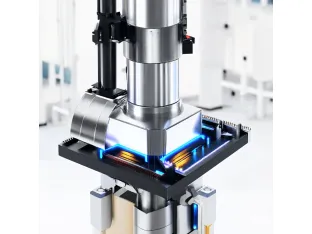
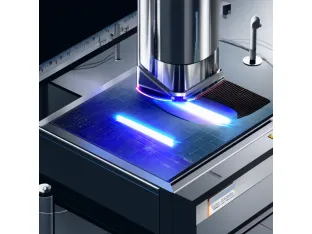
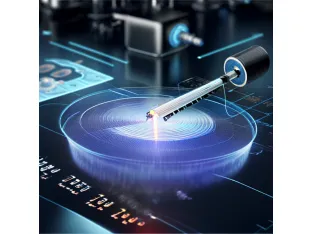
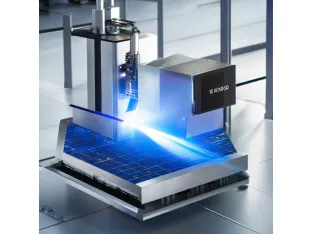
In today's world, handling ultra-thin glass (0.1 mm) presents significant challenges, particularly due to its susceptibility to breakage during processing. A common pain point for manufacturers is the high breakage rates associated with traditional contact methods. These processes often lead to increased costs, downtime, and waste, ultimately affecting productivity and profit margins. However, the advent of contact-free processing technology, particularly through techniques like laser scribing machines, offers a viable solution. By reducing physical contact, these advances not only protect the integrity of ultra-thin glass but also enhance operational efficiency, creating a scenario where productivity and quality coexist.
The benefits of contact-free processing are manifold. For instance, utilizing laser scribing machines greatly safeguards against defects that can cause glass to shatter. A study indicated that adopting such technology could decrease breakage rates by up to 45%, allowing manufacturers to significantly decrease waste and associated costs. This technology enables precise cuts without creating stress points, which are often the culprits of future failures. A case in point can be seen in companies that previously faced breakage rates of 60%. Post-implementation of contact-free processing, many reported that their breakage rates dropped to as low as 33%, translating to thousands of dollars saved on material costs alone.
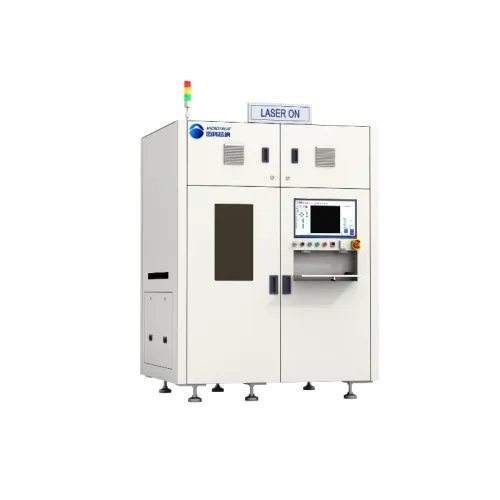
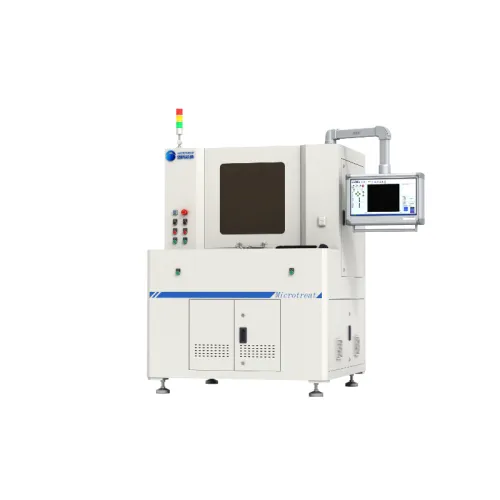
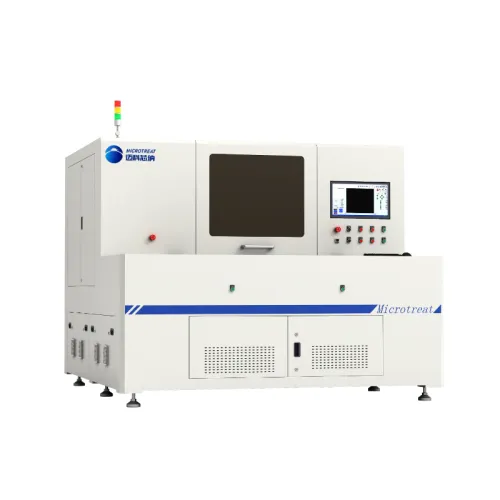
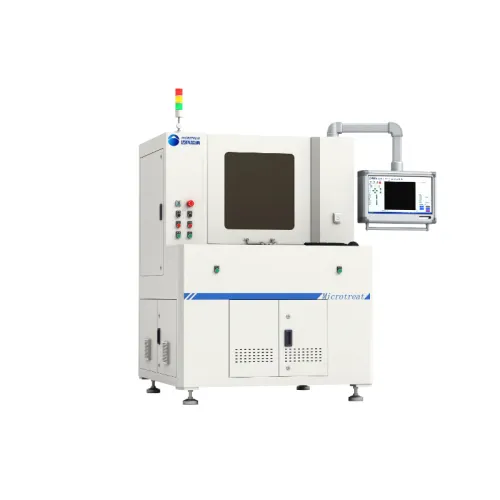
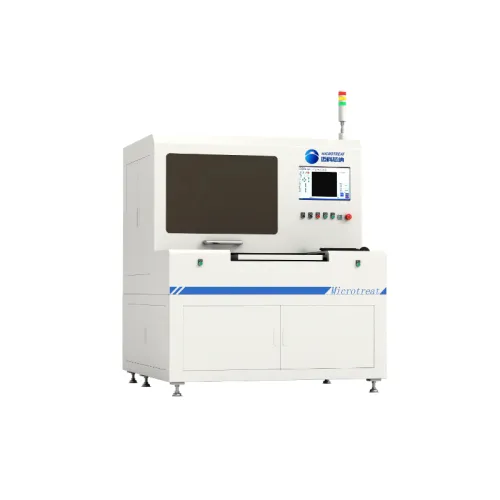
In contrast, traditional processing methods can lead to inefficient outcomes, where breakage significantly impacts bottom-line results. For example, consider a company that relied on contact methods for manufacturing utilizing standard equipment versus those who integrated laser scribing machinery from Microtreat. The latter showed not only a reduction in breakage rates but also increased operational throughput by nearly 25% as a direct consequence of fewer interruptions caused by handling damages. This presents a stark comparison between the two methodologies—contact versus contact-free—that highlights the effectiveness of modern processing techniques in today’s highly competitive marketplace.
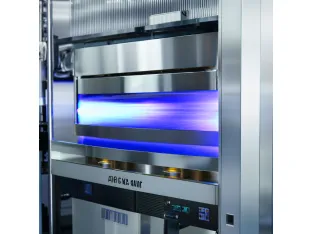
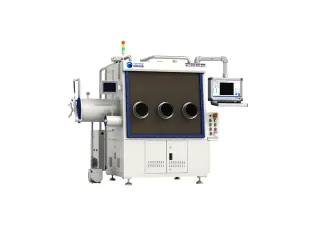
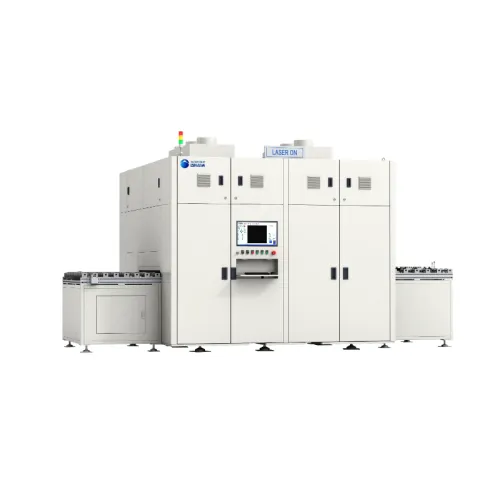
As we consider the value proposition of contact-free processing technologies, it becomes increasingly clear. Not only do they safeguard against the fragility of ultra-thin glass, but they also enhance efficiency and profitability. Contact-free methods have proven to reduce breakage rates while allowing manufacturers to remain agile and adaptive, meeting growing market demands. By utilizing advanced equipment like those provided by Microtreat, which employs cutting-edge laser scribing technology, companies can optimize their production lines and protect their investments.
In conclusion, the shift towards contact-free processing is not just a trend but a necessary evolution in handling ultra-thin glass. By significantly minimizing breakage and maximizing operational efficiency, manufacturers can achieve better financial performance and product integrity. For those interested in enhancing their processing methods, exploring Microtreat’s laser scribing machines may offer the ideal solution to meet and exceed contemporary production challenges.
Related News
Apr. 20, 2025
Related Products
Request a Quote
Request a Quote
Navigation
Navigation
Contact Us
Contact Us
E-mail: mkxn@szmicrotreat.com
Tel.: +86 512 8391 9217
Tel.: +86 173 1528 3532
Tel.: +86 188 6210 4169
WhatsApp: +8618015504961
Add.: Unit 101, Building 63, Suzhou Nano City, No. 99 Jinji Lake Avenue, Suzhou Industrial Park, Suzhou