May. 04, 2026
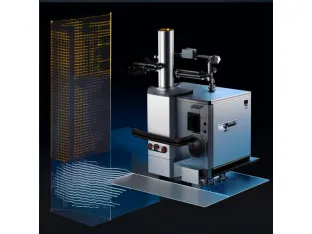
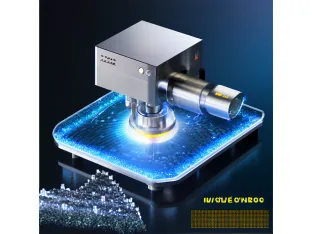
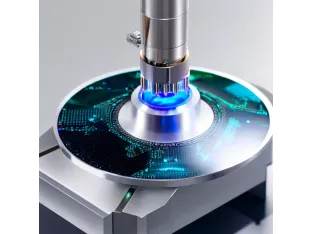
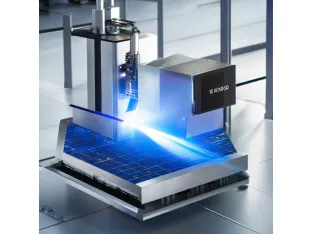
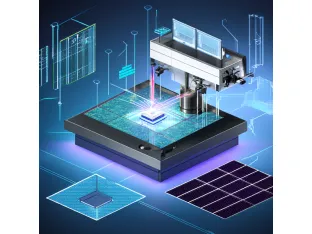
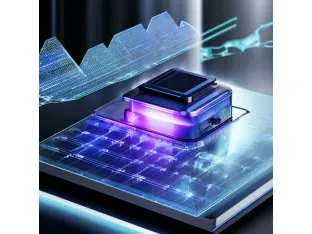
In the realm of manufacturing and precision engineering, scribing is crucial, especially when working with brittle materials like glass, ceramics, and certain composites. Traditional mechanical diamond scribing methods pose significant challenges, including increased material stress, potential chipping, and a higher rate of defects. These issues often lead to increased production costs and time delays for businesses. In contrast, incorporating laser scribing technology not only mitigates these pain points but also results in highly efficient, precise, and controlled processing of brittle materials. With the advent of advanced laser scribing machines, manufacturers are discovering solutions to their production woes, resulting in significant enhancements to their manufacturing processes.
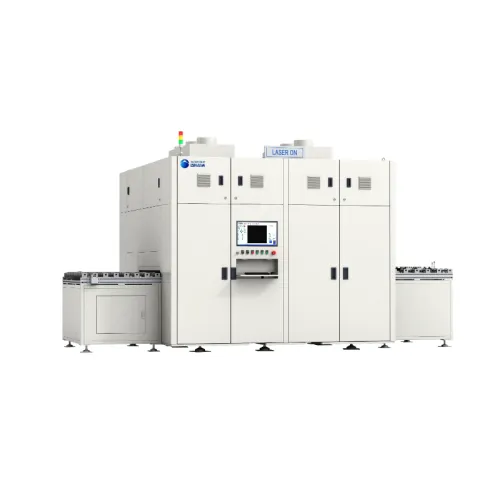
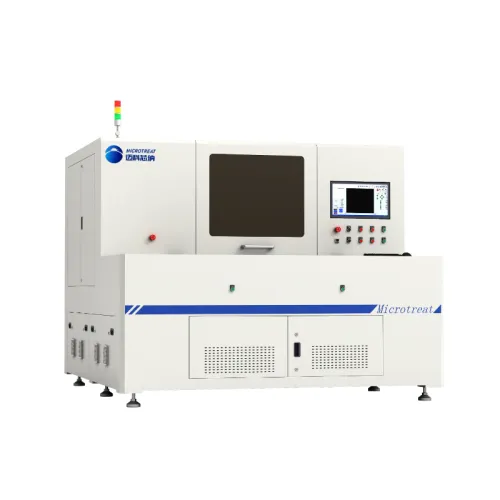
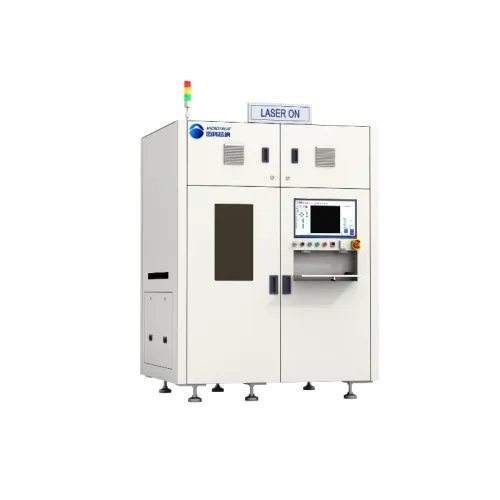
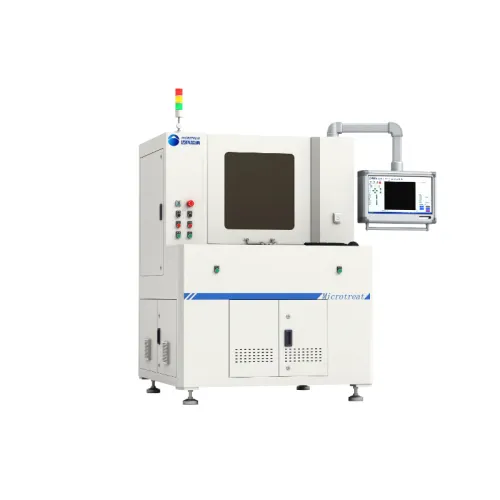
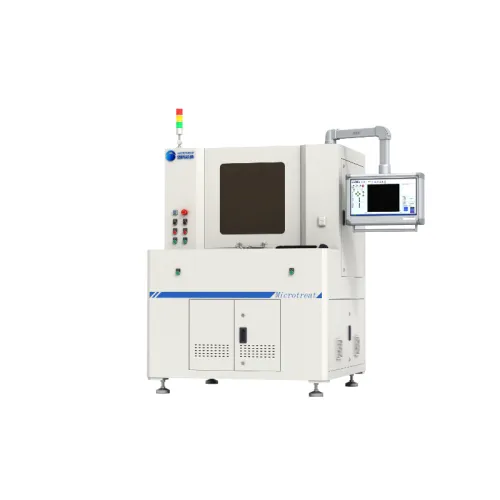
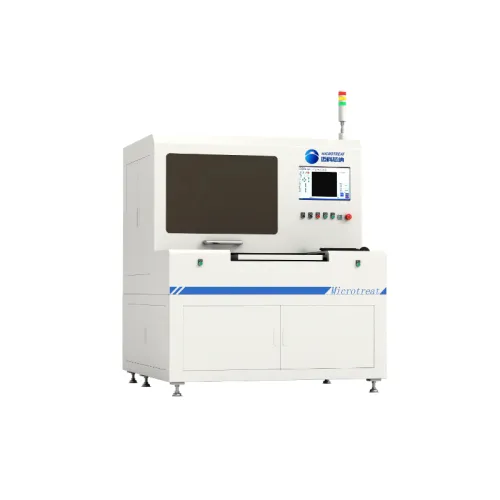
Laser scribing offers numerous benefits backed by data. For instance, while mechanical diamond scribing can produce micro-cracks in brittle materials, resulting in a defect rate of up to 15%, laser scribing minimizes such risks to below 2%. This impressive reduction is primarily due to the focused energy delivery of lasers, which carefully ablates material without exerting the same mechanical stresses. Moreover, in a case study involving the use of Microtreat laser scribing technology, a manufacturer observed a 45% improvement in their yield rates. Instead of wasting resources on flawed components, they could focus on producing flawless products more swiftly, thereby saving both time and expenses.
One compelling advantage of laser scribing is its adaptability to different thicknesses and material types. In studies comparing traditional methods versus laser scribing, research indicates that laser speeds can reach up to 200 mm/s, illustrating its efficiency when producing complex designs or intricate patterns on brittle substrates. Furthermore, laser scribing technology provides unparalleled precision, with the ability to create grooves as narrow as 10 micrometers, something traditional scribing struggles to achieve without compromising material integrity.
When juxtaposed against mechanical methods, laser scribing from Microtreat demonstrates not just superiority in terms of speed and reliability; it also translates to cost savings. Businesses report that by shifting to laser scribing, they achieve a remarkable 60% reduction in tool wear and maintenance costs since lasers eliminate the need for physical contact with materials. With traditional mechanical diamond scribing, companies continually face tool degradation and replacement costs. Such savings reinforce the case for adopting cutting-edge scribing technology.
Wrap your mind around the value propositions presented: laser scribing technology, particularly that from Microtreat, addresses the critical pain points manufacturers experience with brittle materials. The data-driven improvements in efficiency and defect rate, coupled with substantial cost reductions, make this an attractive solution for businesses looking to optimize their manufacturing processes. This shift not only reflects technological advancement but also paves the way for enhanced product quality and operational stability.
If you are contemplating the transition to more advanced scribing technologies, or simply want to enhance your current manufacturing capabilities, considering a trial of Microtreat's laser scribing machines could be an invaluable step. By embracing laser scribing, you place your business in a strong position to meet market demands, ensuring quality and efficiency. Discover the difference today.
Related News
Related Products
Request a Quote
Request a Quote
Navigation
Navigation
Contact Us
Contact Us
E-mail: mkxn@szmicrotreat.com
Tel.: +86 512 8391 9217
Tel.: +86 173 1528 3532
Tel.: +86 188 6210 4169
WhatsApp: +8618015504961
Add.: Unit 101, Building 63, Suzhou Nano City, No. 99 Jinji Lake Avenue, Suzhou Industrial Park, Suzhou