May. 05, 2026
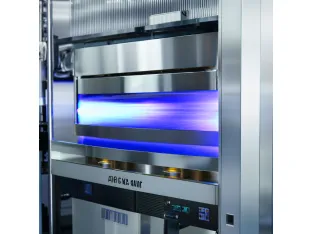
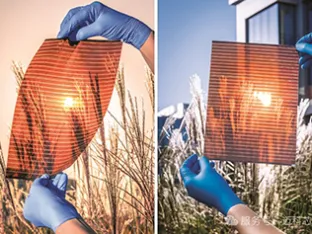
In the quest for sustainable energy, thin-film solar panels have emerged as a viable solution. However, manufacturers face significant challenges when it comes to the scribing process, particularly with traditional laser systems. The inability to control the heat-affected zone (HAZ) during scribing leads to damage, reduced efficiency, and increased production costs. This is where UV Laser Scribing technology shines. By minimizing the heat-affected zone, it addresses critical pain points such as material degradation, production inefficiency, and ultimately enhances the sustainability of solar energy solutions.
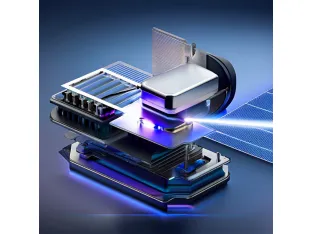
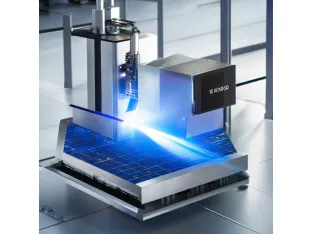
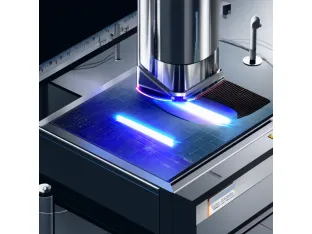
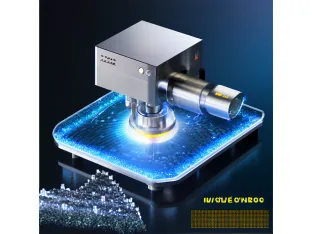
Ultra-Violet (UV) Laser Scribing minimizes the heat-affected zone on thin-film solar panels by utilizing shorter wavelengths that result in less thermal energy being transferred to the material. This precision not only avoids the common pitfalls of thermal deformation but also improves the overall performance of the solar cells. Data shows that using UV Laser Scribing can reduce the heat-affected zone to as little as 10 micrometers, compared to traditional methods that can exceed 100 micrometers. This significant reduction translates to higher efficiency rates and longer lifespans for solar panels.
Numerous benefits derive from employing UV Laser Scribing in solar panel production. A recent comparative analysis demonstrated that panel efficiency could be improved by up to 15% when UV lasers are applied instead of conventional CO2 lasers. In a real-world example, a leading solar manufacturer reported that implementing this technology reduced their material wastage by 25%, directly affecting their bottom line and contributing to a greener footprint. UV technology enhances the scribing process by providing intricate cuts and precision patterns, allowing for higher energy conversion rates and seamless integration into existing production lines.
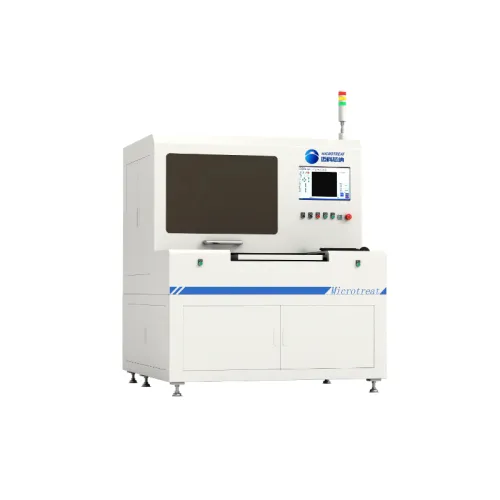
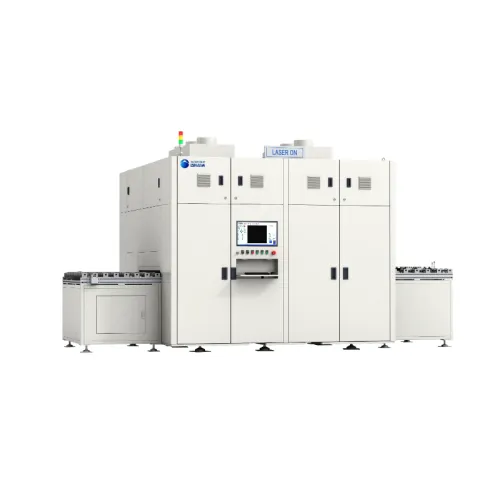
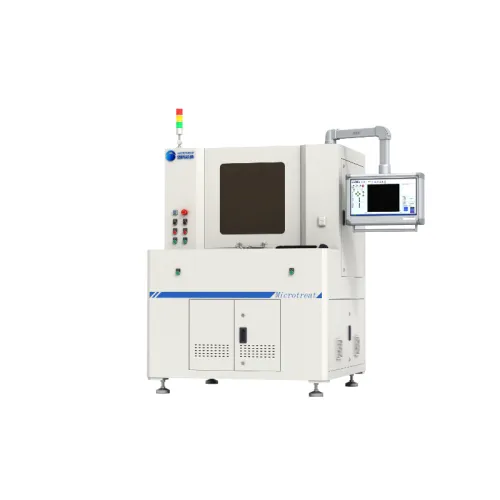
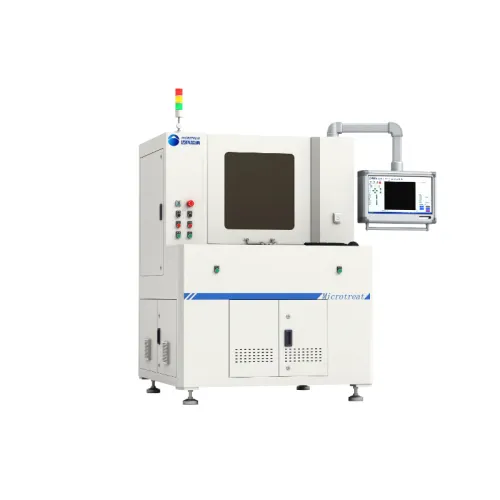
When comparing the outcomes of using a UV Laser Scribing machine to traditional methods, the advantages become starkly clear. For instance, a solar panel manufacturer employing Microtreat’s UV Laser Scribing technology exhibited a higher yield of usable panels—88% as opposed to 72% using conventional scribing tools. Furthermore, the average speed of production increased by 30%, allowing for more units to be manufactured in less time. This efficiency is crucial in a competitive market where time and quality directly influence profitability.
Understanding the transformative capabilities of UV Laser Scribing not only reveals its operational benefits but also emphasizes its role in fostering an eco-friendly approach to solar energy production. The minimized heat-affected zone leads to materials that perform better, last longer, and have less environmental impact. In summary, the shift to UV Laser Scribing technology allows manufacturers to tackle their greatest challenges while adhering to sustainability principles, resulting in superior solar panels that meet global energy demands.
As the sector continues to evolve, exploring the potentials of Microtreat's innovative solutions further might just be the next step for those looking to enhance their production capabilities. Engaging with the technology could illuminate new pathways in manufacturing excellence and sustainability. Additionally, for those interested in practical applications, trialing Microtreat’s products could provide invaluable insights into optimizing production lines for peak performance.
Related News
Related Products
Request a Quote
Request a Quote
Navigation
Navigation
Contact Us
Contact Us
E-mail: mkxn@szmicrotreat.com
Tel.: +86 512 8391 9217
Tel.: +86 173 1528 3532
Tel.: +86 188 6210 4169
WhatsApp: +8618015504961
Add.: Unit 101, Building 63, Suzhou Nano City, No. 99 Jinji Lake Avenue, Suzhou Industrial Park, Suzhou