Sep. 16, 2025
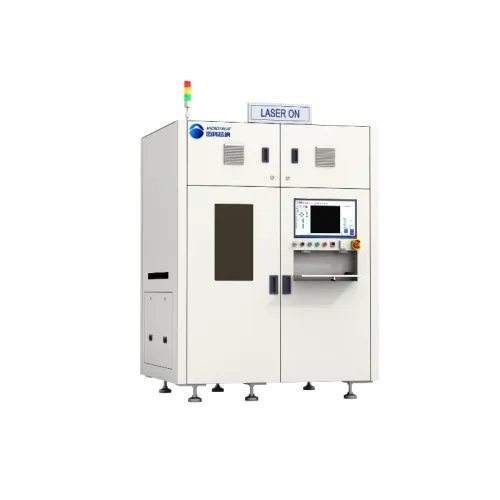
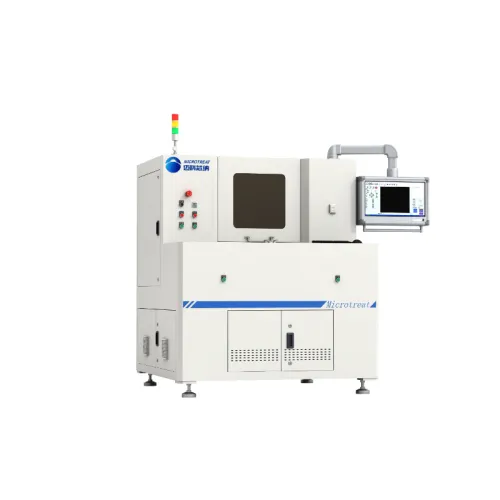
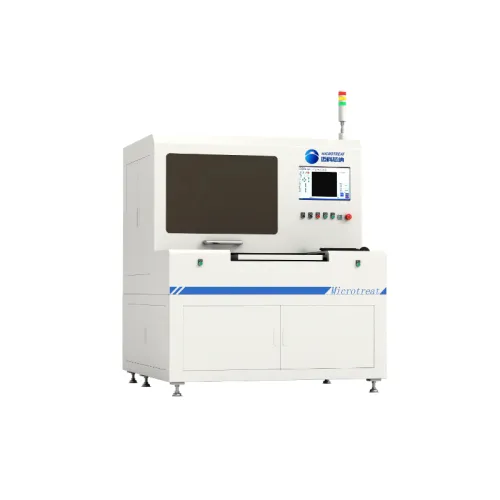
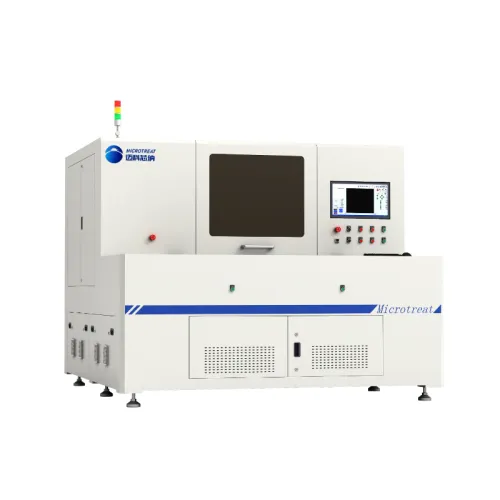
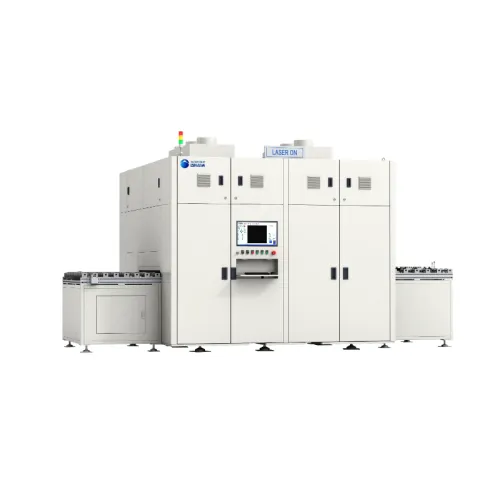
The emergence of the laser scribing system has introduced a new era in the manufacturing of perovskite solar cells. This advanced technology addresses critical challenges in efficiency, accuracy, and production speed, which have long plagued the solar energy industry. As solar energy becomes a vital part of our renewable energy landscape, understanding how laser scribing systems compare with traditional methods is essential for stakeholders. Laser scribing systems have demonstrated a significant reduction in the risk of defects, improving overall yield rates by as much as 25%.
Laser scribing refers to the precise process of using laser technology to create narrow grooves in materials. These grooves serve multiple functions, including navigating electrical currents and separating solar cells to maximize performance. In the context of perovskite solar cells, which are known for their remarkable efficiency—up to 25% in laboratory tests—laser scribing helps manufacturers produce higher-quality solar panels at a faster rate.

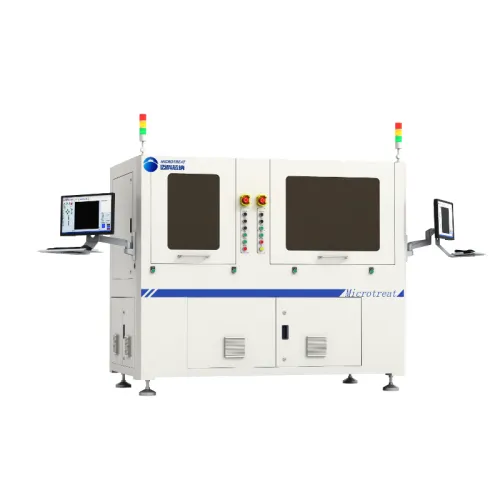
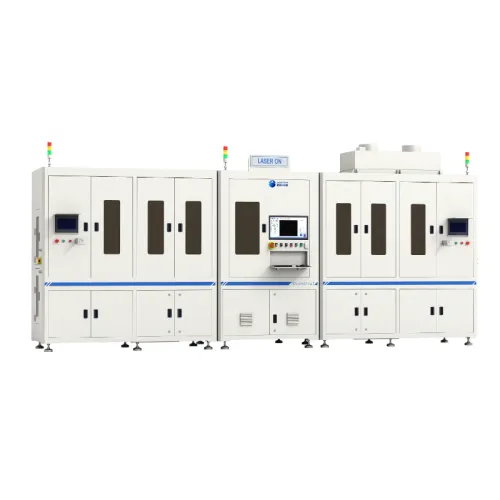
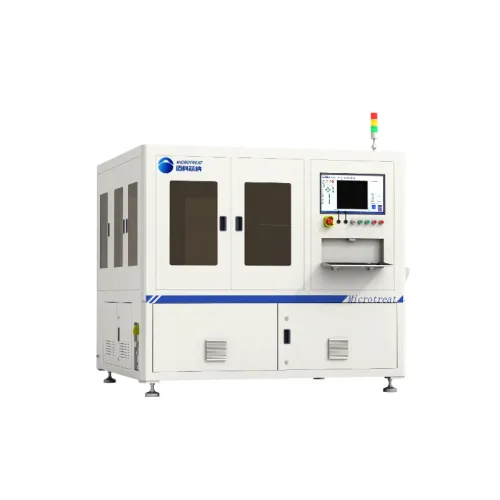
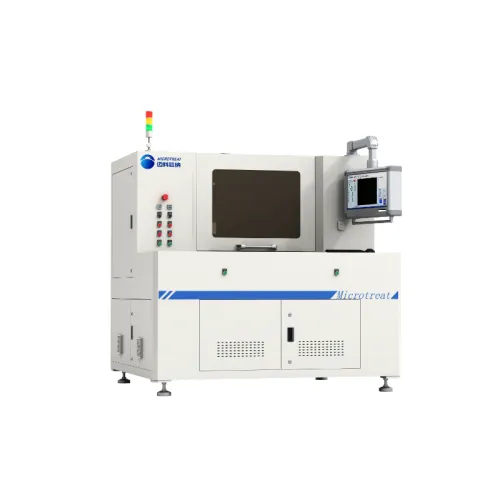
Laser scribing systems utilize high-powered lasers that can cut through various substrates with remarkable precision. The technique is primarily used in the electronics and solar industries to improve material processing. Key industry terms related to laser scribing include:
By employing these parameters, manufacturers can significantly optimize their processes, ensuring minimal loss during production.
Laser scribing systems find applications in several fields, most notably:
In each of these scenarios, laser scribing improves both the agility and accuracy of production, allowing for innovation while reducing costs.
The importance of laser scribing systems cannot be overstated. These systems provide several key advantages:
To fully leverage the benefits of laser scribing systems in your operations, consider reading the user guide available from trusted manufacturers such as Microtreat. Understanding best practices and system settings will optimize your workflow and ensure that you maximize the potential of this technology.
Q: What materials can be processed by laser scribing systems?
A: Laser scribing systems can work with various substrates, including glass, silicon, and thin films.
Q: How does laser scribing improve solar panel efficiency?
A: By creating precise grooves, laser scribing enhances light absorption and electrical conductivity, which leads to higher overall efficiency.
Q: Is laser scribing suitable for small-scale projects?
A: Yes, laser scribing is adaptable to different scales, making it suitable for both large manufacturing and small custom projects.
Interested in exploring the full potential of laser scribing systems for your projects? Visit Microtreat for more information and begin transforming your manufacturing processes today!
This article not only aims to present an understanding of laser scribing systems but also provides actionable content for readers looking to enhance their business strategies or product offerings in the renewable energy sector.
Related Products
Request a Quote
Request a Quote
Navigation
Navigation
Contact Us
Contact Us
E-mail: mkxn@szmicrotreat.com
Tel.: +86 512 8391 9217
Tel.: +86 173 1528 3532
Tel.: +86 188 6210 4169
WhatsApp: +8618015504961
Add.: Unit 101, Building 63, Suzhou Nano City, No. 99 Jinji Lake Avenue, Suzhou Industrial Park, Suzhou