Jun. 03, 2026
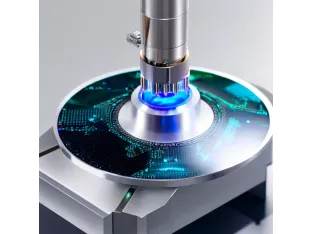
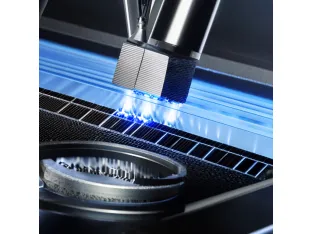
Nanosecond lasers emit pulses of light lasting one billionth of a second (10^-9 seconds), while picosecond lasers produce even shorter pulses lasting one trillionth of a second (10^-12 seconds). These differences in pulse duration significantly influence the scribing process and its outcomes.
Laser scribing costs can vary widely between nanosecond and picosecond lasers. Typically, nanosecond systems are less expensive in terms of initial investment. However, picosecond systems tend to offer a lower cost per wafer due to increased efficiency and faster processing speeds:
One of the primary concerns with laser scribing is the heat-affected zone (HAZ). Nanosecond lasers often generate a larger HAZ, which can cause material damage or alter the electronic properties of sensitive substrates:
Real-world applications can provide invaluable insights into the performance of laser scribing technologies. Here are some common observations:
Understanding the strengths and weaknesses of both technologies is crucial for selecting the right laser scribing machine:
| Feature | Nanosecond Lasers | Picosecond Lasers |
|---|---|---|
| Cost | Lower initial cost | Higher upfront investment |
| Heat Affected Zone | Larger HAZ | Smaller HAZ |
| Efficiency | Lower throughput | Higher throughput |
| Material Compatibility | Risk of damage to delicate materials | Safer for sensitive applications |
Identifying the right type of laser scribing machine depends on the specific application requirements:
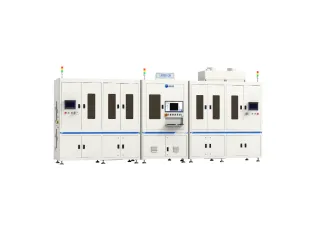
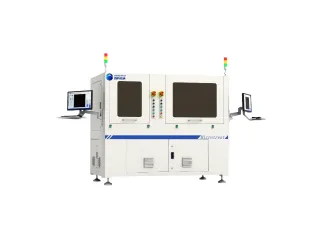
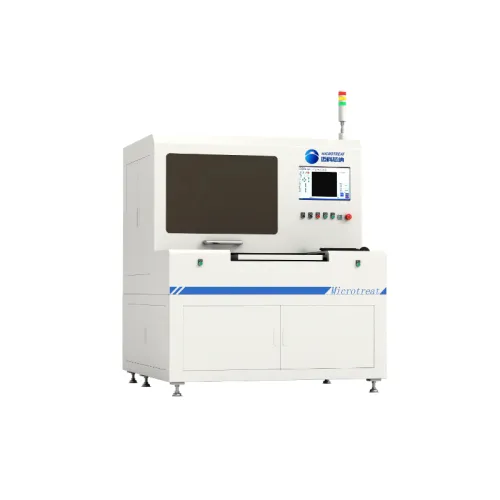
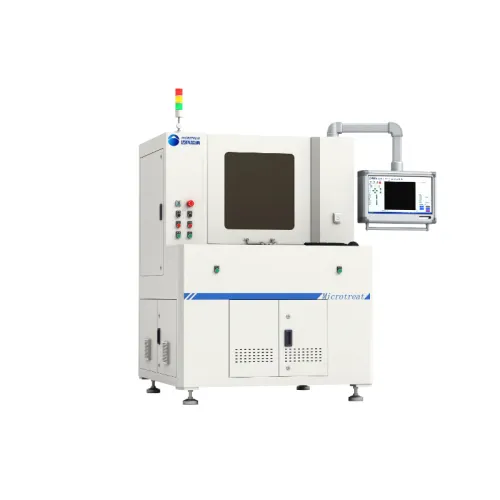
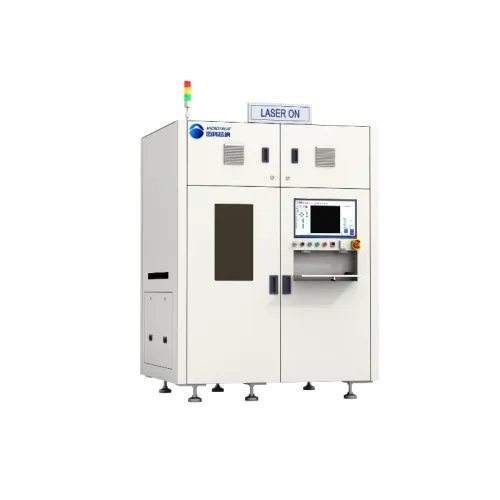
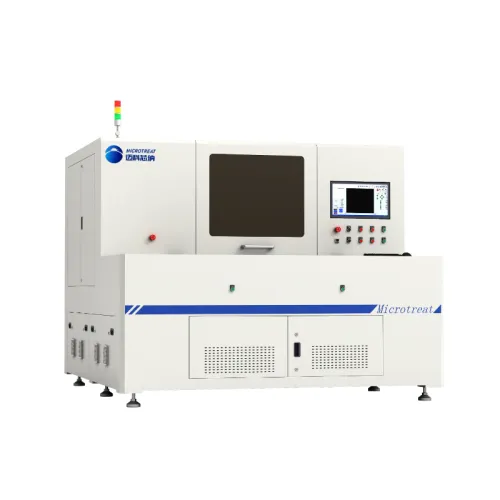
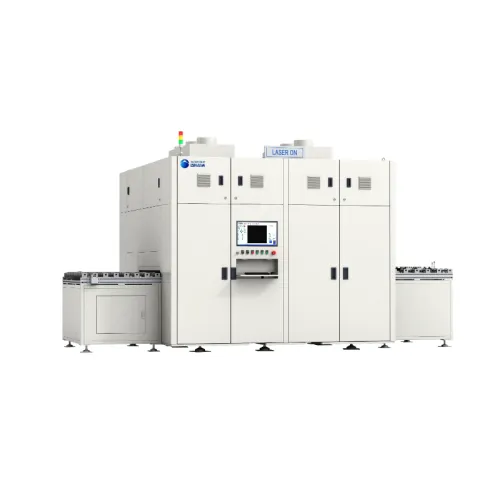
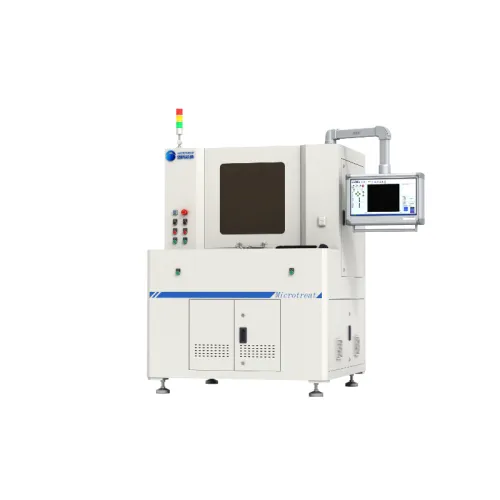
In conclusion, both nanosecond and picosecond laser scribing technologies have distinct advantages and disadvantages. Understanding these trade-offs is essential for making informed decisions. Companies looking for proficiency in laser scribing can turn to Microtreat, which provides advanced solutions for both types of laser technologies.
Related News
Related Products
Request a Quote
Request a Quote
Navigation
Navigation
Contact Us
Contact Us
E-mail: mkxn@szmicrotreat.com
Tel.: +86 512 8391 9217
Tel.: +86 173 1528 3532
Tel.: +86 188 6210 4169
WhatsApp: +8618015504961
Add.: Unit 101, Building 63, Suzhou Nano City, No. 99 Jinji Lake Avenue, Suzhou Industrial Park, Suzhou