May. 19, 2026
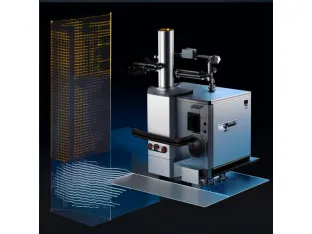
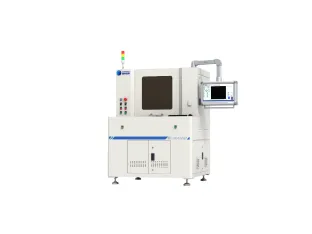
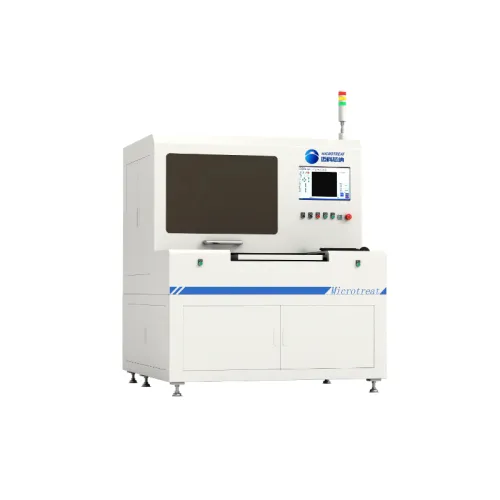
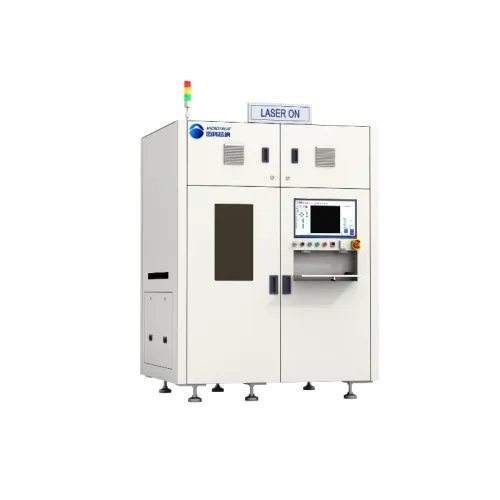
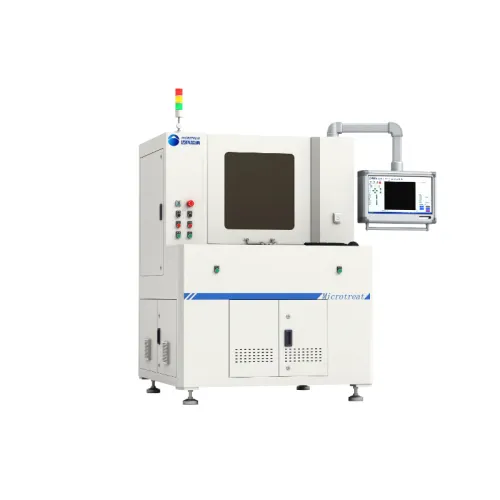
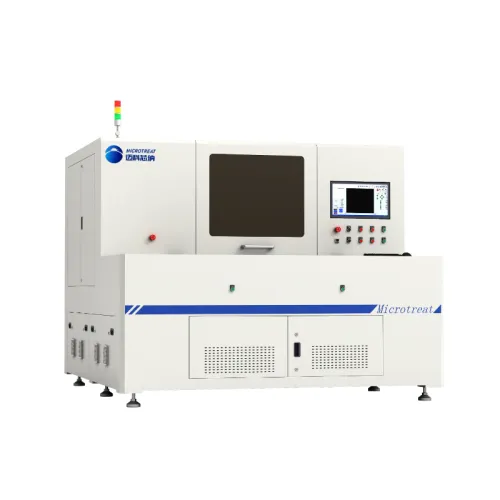
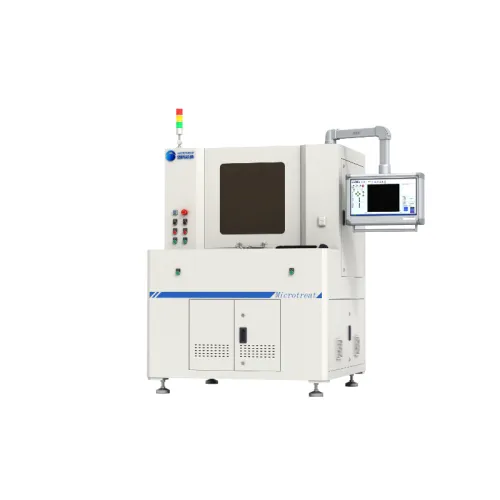
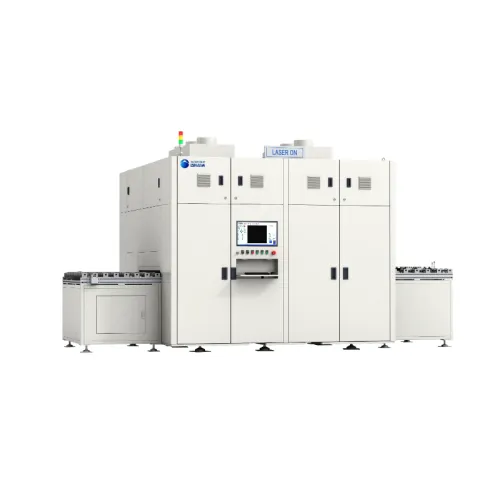
In the ever-evolving world of manufacturing and precision engineering, companies often grapple with achieving optimal scribing quality—efficiency and precision are paramount. With a focus on practical applications, I promise you can enhance your scribing processes significantly by understanding how pulse duration in laser technology affects the quality of your work. In this article, I will guide you through easy-to-follow steps that will help you leverage the features of the Laser Scribing Machine from Microtreat.
The first step to improving your scribing quality is understanding how different pulse durations—nanoseconds, picoseconds, and femtoseconds—impact your process. Each pulse duration contributes differently to heat accumulation and precision, which are crucial for achieving desired material modifications.
Nanosecond Pulses: Typically suited for scribing applications that require a robust cut and where heat diffusion is manageable. Expect precision to around 0.01mm but be aware of heat-affected zones (HAZ) which could impact material integrity.
Picosecond Pulses: Ideal for applications that require high precision with minimal thermal damage. These short bursts of energy allow for clean cuts with negligible HAZ, making them perfect for sensitive materials where quality is critical.
Femtosecond Pulses: The ultimate choice for micro-manufacturing, femtosecond lasers produce exceptional precision and ensure that the heat affects no surrounding material. This duration can entirely avoid thermal damage, offering 100% inspection viability for delicate applications.
To enhance your scribing quality using these specific pulse durations, I recommend these actionable steps:
Assess Your Current Scribing Needs: Determine the materials you work with and their critical qualities. For hard materials, a femtosecond pulse might deliver the necessary finesse, while a nanosecond pulse could suffice for tougher applications.
Experiment with Different Pulse Durations: Utilize the capabilities of the Microtreat Laser Scribing Machine to run tests using nanosecond, picosecond, and femtosecond settings. Record the outcomes in terms of precision, HAZ, and surface finish.
Analyze Results Using ASTM Standards: Implement ASTM D3552 or similar standards for surface quality evaluation. Use these benchmarks to compare your tests, ensuring that you can measure in a credible manner.
Adjust Parameters Based on Findings: Depending on your test outcomes, modify pulse energy and frequency settings to optimize your results. Set a goal to improve quality in line with industry expectations for scribing accuracy.
Regular Maintenance of Equipment: Ensure that regular maintenance checks are scheduled for your Microtreat Laser Scribing Machine. Clean and calibrate your equipment to maintain the expected scribing quality and consistency.
Implementing this advanced technology can present challenges, such as:
Initial Equipment Costs: Investing in a high-quality Laser Scribing Machine like those from Microtreat can be daunting. However, I recommend viewing this as a long-term investment rather than an expense.
Supplier Training: Your team may require training to effectively utilize these machines and grasp the nuances of pulse durations. Prioritize training sessions that elevate their understanding of laser technology.
Material Compatibility: Not all materials respond well to every pulse duration. Conduct tests on various substrates to identify the best pairing for each.
To enhance this process, consider using these tools and resources:
Data Analysis Software: Implement software that can help analyze scribing results efficiently.
Continuous Learning: Engage with online forums, webinars, or workshops focusing on laser technology and scribing.
By understanding how pulse duration (nanosecond, picosecond, femtosecond) affects scribing quality, you are empowered to significantly elevate your manufacturing process. Focus on implementing these steps with your Microtreat Laser Scribing Machine to achieve industry-leading standards.
Remember, the journey to precision scribing begins with a single action. Evaluate your current processes, experiment with various pulse durations, and adjust based on empirical results. Let's create a culture of quality and expertise within your organization today!
Related News
Sep. 15, 2025
Related Products
Request a Quote
Request a Quote
Navigation
Navigation
Contact Us
Contact Us
E-mail: mkxn@szmicrotreat.com
Tel.: +86 512 8391 9217
Tel.: +86 173 1528 3532
Tel.: +86 188 6210 4169
WhatsApp: +8618015504961
Add.: Unit 101, Building 63, Suzhou Nano City, No. 99 Jinji Lake Avenue, Suzhou Industrial Park, Suzhou