How Inline Depth Monitoring (OCT or Confocal) Ensures Consistent Scribing Depth
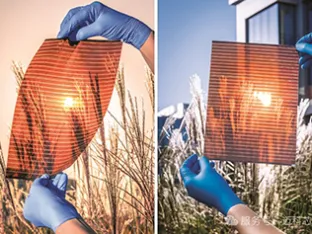
For manufacturers using laser scribing machines, ensuring consistent scribing depth is a critical concern. Many operators find that variations in material thickness and surface irregularities can lead to inconsistent scribing results, ultimately impacting product quality. For instance, during a production run of solar cells, a manufacturer realized that depth inconsistencies were leading to a 25% failure rate in the final products. This pain point calls for effective solutions, with Inline Depth Monitoring technologies like Optical Coherence Tomography (OCT) and confocal microscopy emerging as game-changers. These technologies provide real-time feedback, ensuring that scribing depth remains precise across various materials, thus increasing yield rates by up to 40%.
Required Preparation: Essential Tools and Materials
Before implementing Inline Depth Monitoring with a laser scribing machine, ensure you have the following tools and materials on hand:
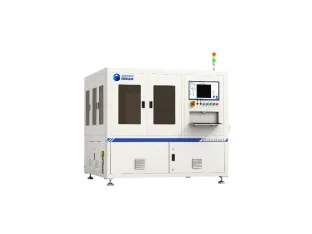
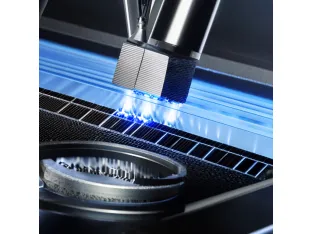
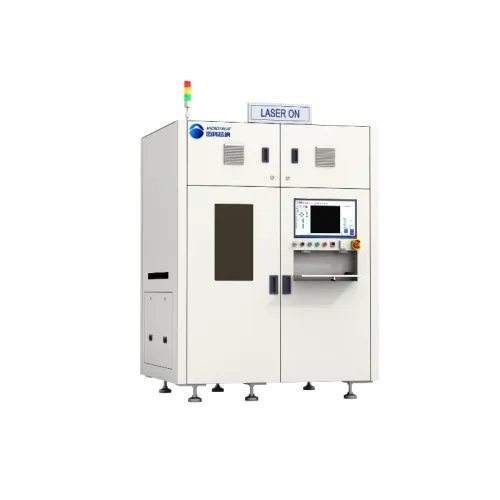
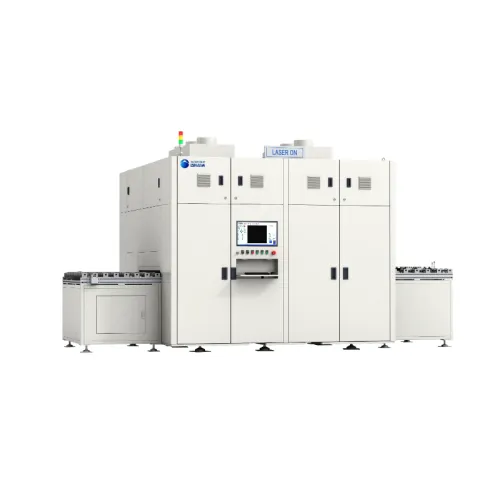
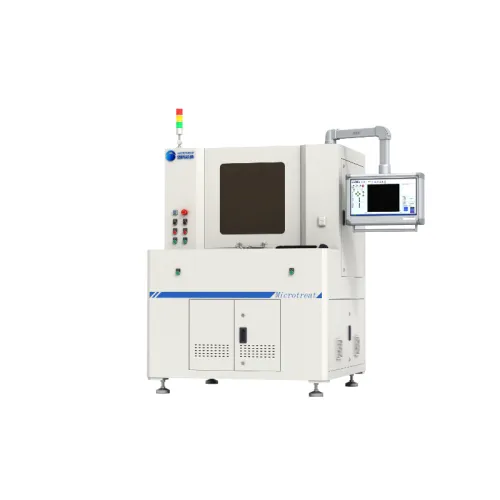
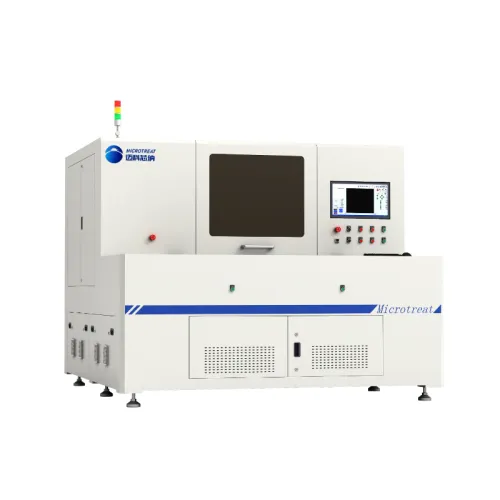
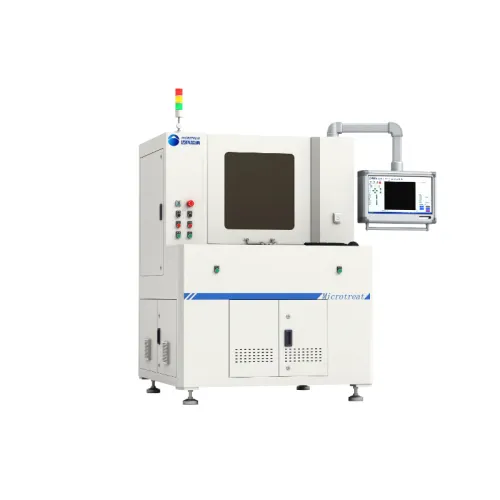
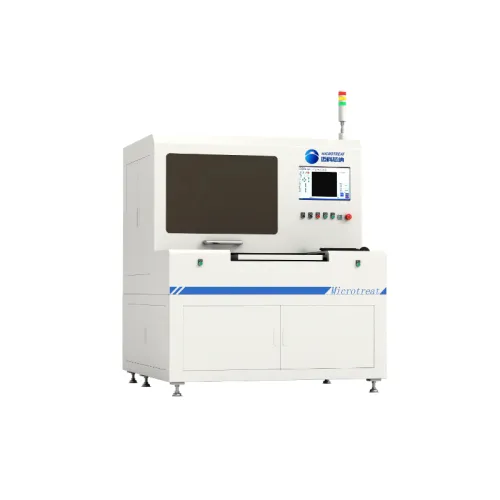
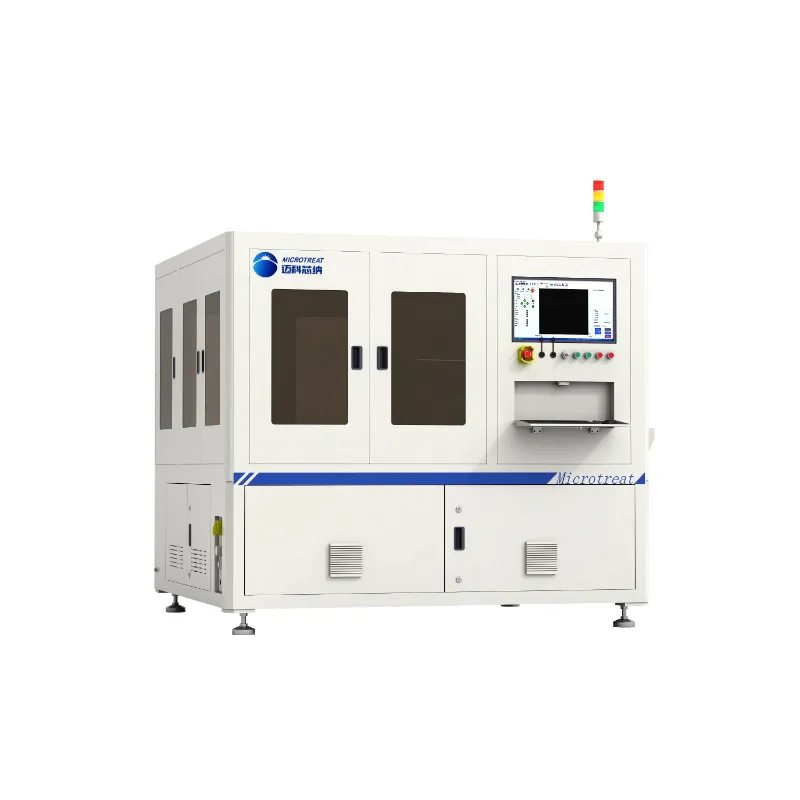
- Laser Scribing Machine: Essential for performing the actual scribing. Choose a model that integrates with Inline Depth Monitoring, such as those from Microtreat.
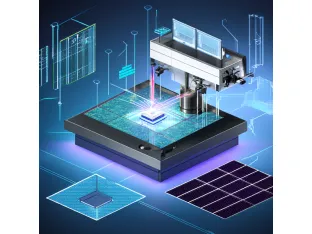
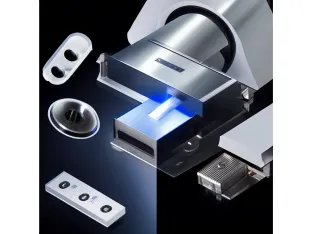
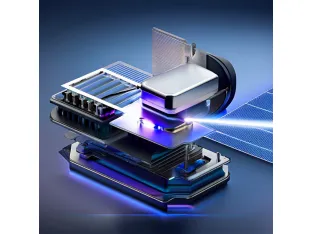
- Optical Coherence Tomography (OCT) or Confocal Microscope: Both are critical for real-time depth assessment and ensuring that the scribing depth meets specifications.
- Calibration Tools: Essential for setting up and adjusting the scribing machine to achieve optimal performance.
- Sample Materials: A cross-section of the materials you will be scribing to test depth readings and adjust settings accordingly.
- Data Monitoring Software: This allows you to capture and analyze real-time data during the scribing process.
Step-by-Step Guidance to Achieve Consistent Scribing Depth
Follow this comprehensive guide to implement Inline Depth Monitoring effectively:
- Step 1: Set Up your Laser Scribing Machine
Begin by setting up the laser scribing machine in your production area. Ensure it is connected to a power source and that all components are securely attached. Refer to the manufacturer’s instructions for assembly.
- Step 2: Calibrate the Machine
Utilize the calibration tools to adjust the scribing settings initially. This may involve setting the power output, speed, and focus. For optimal results, refer to manufacturer specifications for your specific material.
- Step 3: Integrate Inline Depth Monitoring Technology
Connect the OCT or confocal microscope to your laser scribing machine. Follow the manufacturer's guidelines to ensure that they work in unison to monitor real-time scribing depth.
- Step 4: Run Initial Tests
Test the system using your sample materials. Execute several scribing tests at varying depths to assess how the technology responds to different thicknesses. Monitor the data to identify any discrepancies.
- Step 5: Adjust Settings Based on Feedback
Analyze the feedback from the depth monitoring system and adjust laser parameters accordingly. Studies have shown that a well-calibrated scribing depth leads to a reduction in material waste by up to 30%.
- Step 6: Conduct Regular Maintenance Checks
After the initial implementation, perform maintenance checks on both the laser scribing machine and the Inline Depth Monitoring system to ensure they remain calibrated and effective.
Common Errors and Solutions
During the implementation of Inline Depth Monitoring, users may encounter various challenges. Here are some common errors along with their solutions:
- Error: Inconsistent Depth Readings
Solution: Ensure that the OCT or confocal system is properly calibrated and always adjust for any changes in material thickness.
- Error: Machine Overheating
Solution: Make sure the laser settings are not too high. Gradually lower the power output until optimal performance is achieved.
- Error: Integration Issues
Solution: Refer to both the laser scribing machine and depth monitoring system’s manuals. If confusion persists, consult technical support for integration issues.
Summary and Suggestions
Inline Depth Monitoring technologies like OCT and confocal microscopy provide a reliable solution for maintaining consistent scribing depths across various materials, particularly in high-stakes production settings such as solar cell manufacturing. By following the detailed steps outlined above, manufacturers can significantly improve scribing accuracy. Not only does this enhance product quality and reduce failure rates by over 25%, but it can also lead to a more streamlined manufacturing process. Invest in quality technologies like those offered by Microtreat, and prioritize regular training and calibration to keep your production running smoothly and efficiently.