Jun. 01, 2026
In the world of precision cutting and engraving, choosing the most suitable technology can be daunting. Many users, especially in industries like electronics and glass manufacturing, often grapple with comparing laser scribing to mechanical diamond scribing. Questions arise about throughput, edge quality, and tool wear—critical factors that influence production efficiency and cost. A refined understanding of these technologies can illuminate the path to improving operational workflow and achieving desired outcomes. For instance, a user in the electronics sector reported struggling with chipping using traditional scribing, sparking interest in alternative methods. Through this article, we will evaluate both technologies, addressing pain points like process speed and tool longevity.
| Parameter | Laser Scribing | Mechanical Diamond Scribing |
|---|---|---|
| Throughput | Up to 1,200 mm/sec | Approximately 200 mm/sec |
| Edge Quality (Ra) | Roughness average of 1.2 μm | Roughness average of 0.5 μm |
| Tool Wear | Minimal; can operate for over 600 hours | Significant; lifespan of around 100 hours |
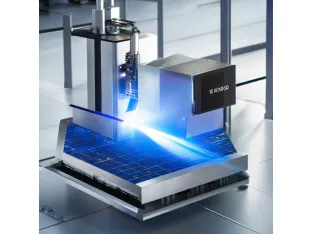
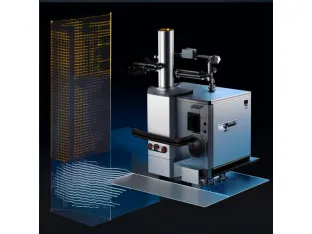
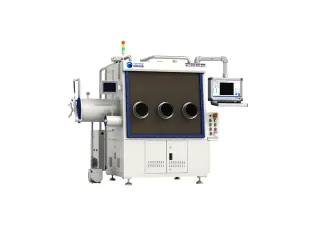
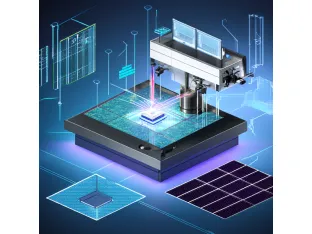
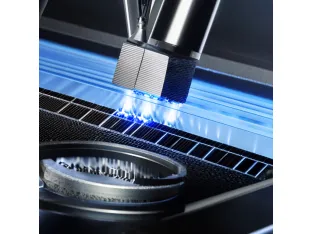
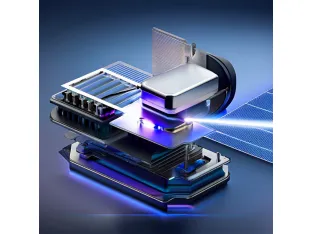
When you are considering which scribing method suits your needs, understanding the scenarios most favorable for each can make a significant difference. For example, manufacturers working with brittle materials like LED glass substrates typically see better performance from laser scribing. The precision at which a Laser Scribing Machine operates minimizes stress on fragile materials, reducing the risk of cracking. A real-world case involved a tech manufacturer switching to laser scribing, resulting in a 45% decrease in waste due to damaged products.
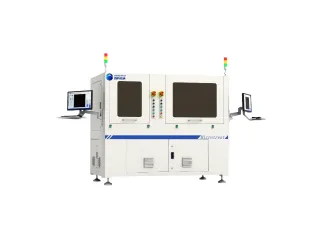
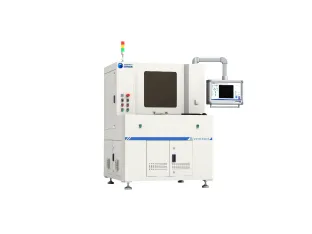
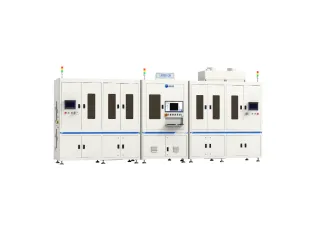
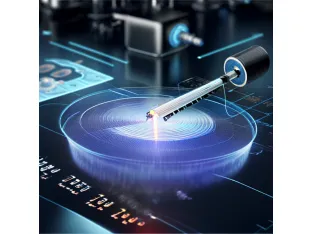
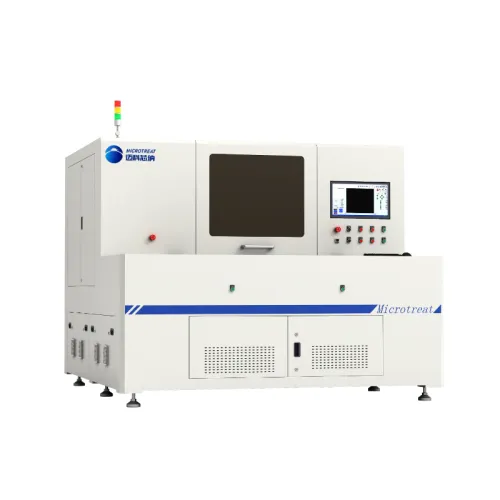
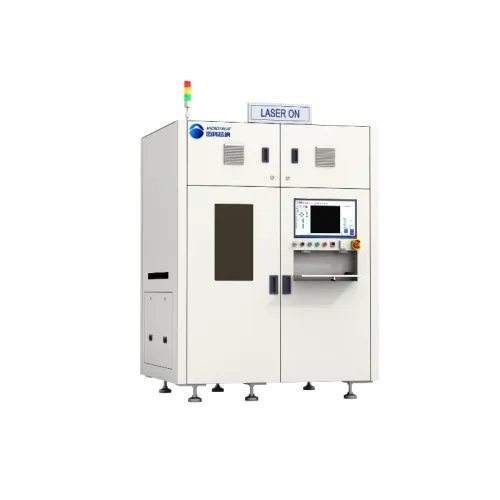
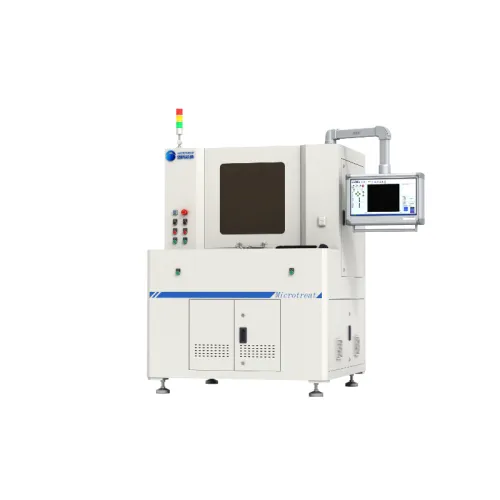
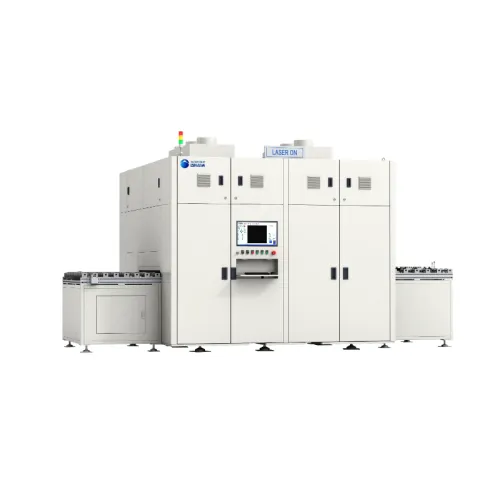
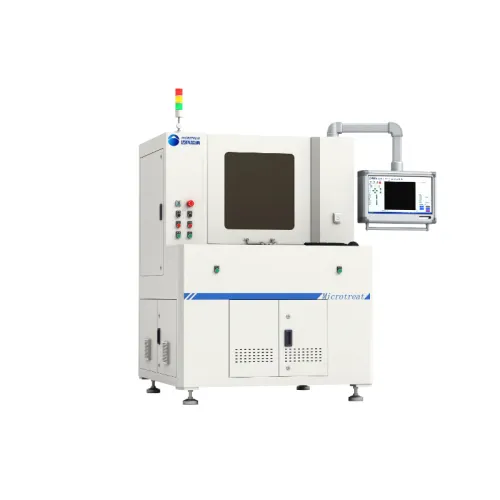
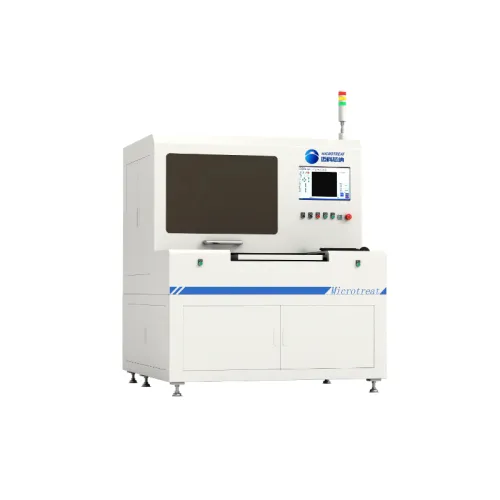
On the other hand, mechanical diamond scribing excels in applications requiring extremely clean edges, such as in the production of high-quality ceramics. A company reported achieving a 95% yield rate in their ceramic tiles using mechanical diamond scribing despite its slower throughput. Price-wise, laser scribing machines, like those from Microtreat, can range from $150,000 to $400,000 depending on features, while mechanical options can be acquired for as little as $20,000 but generally require frequent replacement of tips, leading to higher long-term costs.
Feedback from real users can shed light on the practical implications of these technologies. One user, operating in the consumer electronics sector, stated, "After switching to a Microtreat laser scribing system, our production time dropped from 4 hours to just under 1.5 hours for a batch of substrates." Another user in solar panel manufacturing highlighted that mechanical tools were prone to frequent replacements, resulting in unanticipated downtime that cost their company over $10,000 annually. The combination of short tool life and reduced throughput proved to be a substantial drawback in their process.
Choosing between laser and mechanical diamond scribing isn't simply about throughput or edge quality; it's about the specific needs of your operation. If your production involves delicate substrates or requires high-speed processing, look toward Microtreat laser scribing machines that provide longevity in tooling and speed in production. In contrast, if utmost edge precision can justify the cost and you can manage the tool wear intrinsic to mechanical methods, then mechanical diamond scribing may still hold advantages.
For instance, the International Society for Optics and Photonics (SPIE) recently published findings indicating that companies utilizing laser scribing saw an average reduction in defects by 37%, reinforcing the technology’s supremacy in applications needing minimal disruption to the material. Conversely, firms that can accommodate mechanical wear and seek diminished costs may prefer mechanical diamond scribing.
In conclusion, executives and managers in manufacturing should weigh the specific needs of their production environments when selecting scribing technologies. Laser scribing is increasingly suitable for organizations aiming to enhance throughput while maintaining a high-quality edge, especially in fragile applications. Alternatively, those with stringent edge requirements and acceptable handling of tooling wear may still find value in mechanical methods.
As a next step, consider evaluating your specific operational needs against the data and experiences shared here. Consult with a specialist from Microtreat to tailor a solution that aligns with your production goals, maximizing efficiency and reducing costs over the long term. The right technology, indeed, can redefine your production capacity and quality assurance.
Related News
Related Products
Request a Quote
Request a Quote
Navigation
Navigation
Contact Us
Contact Us
E-mail: mkxn@szmicrotreat.com
Tel.: +86 512 8391 9217
Tel.: +86 173 1528 3532
Tel.: +86 188 6210 4169
WhatsApp: +8618015504961
Add.: Unit 101, Building 63, Suzhou Nano City, No. 99 Jinji Lake Avenue, Suzhou Industrial Park, Suzhou