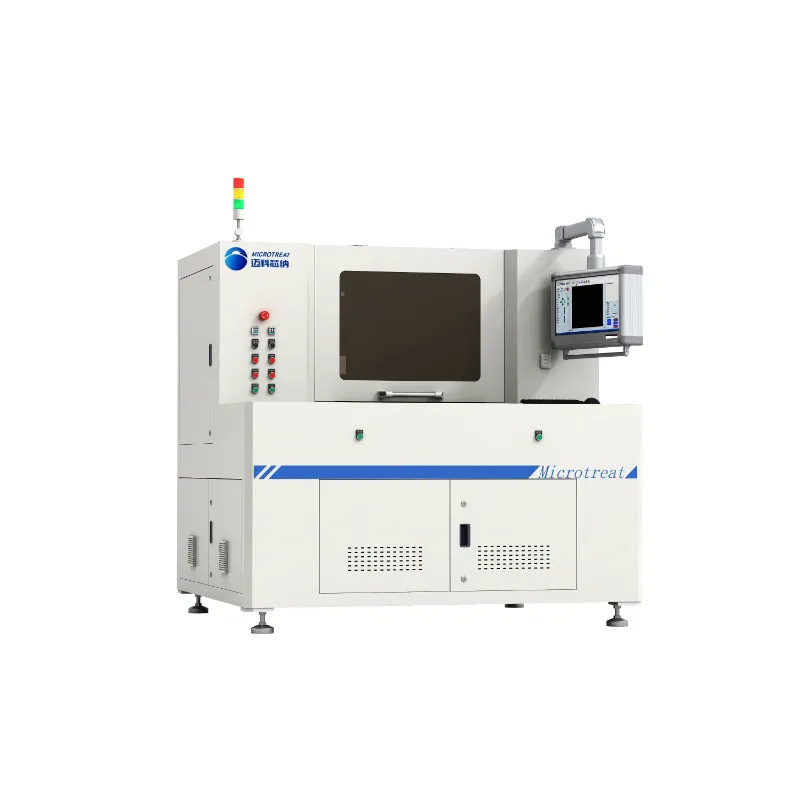
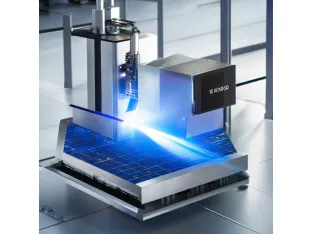
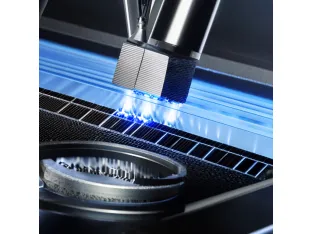
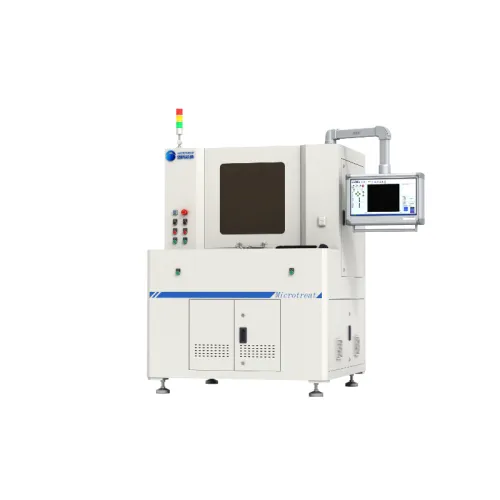
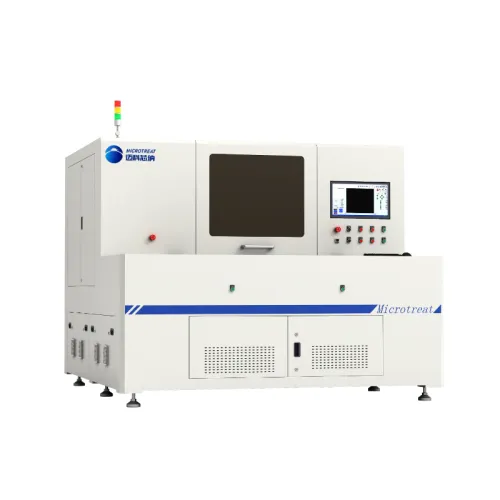
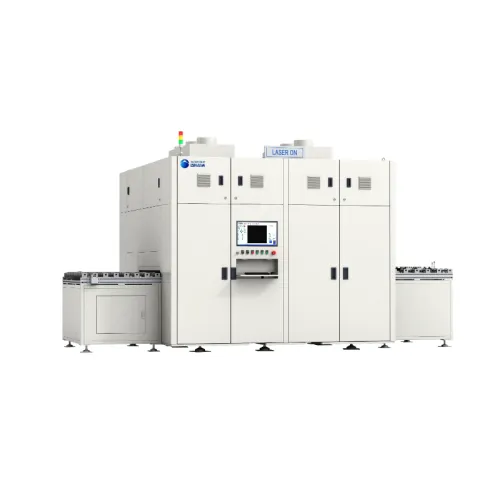
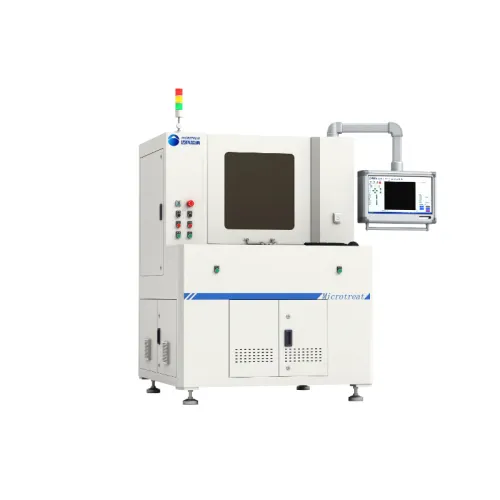
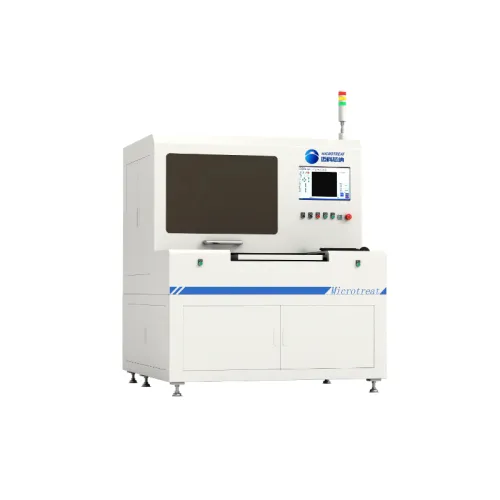
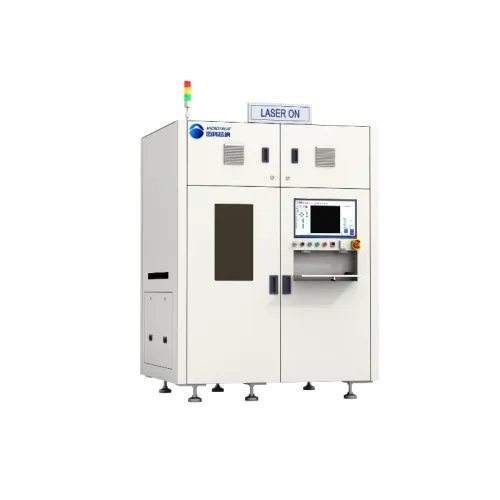
If you're exploring the world of precise materials processing, understanding how to select the appropriate laser wavelength based on substrate and coating materials is essential. A Laser Scribing Machine, designed for marking and cutting various substrates, plays a pivotal role in this application. The key to successful laser applications lies in matching the laser wavelength with the material properties, ensuring optimal results in both efficiency and quality. In this guide, we’ll delve into the factors influencing laser wavelength selection and present a structured approach to assist you in making informed decisions.
Understanding Substrate and Coating Materials
Substrate and coating materials have distinct optical properties that influence laser interaction. Here are the primary factors to consider:
- Absorption Coefficient: Each material has a unique absorption spectrum. Selecting a laser wavelength that coincides with the peak absorption will enhance the efficiency of processing.
- Thermal Conductivity: Materials with high thermal conductivity can dissipate heat quickly, which makes them less prone to thermal damage. Conversely, low thermal conductivity materials may require carefully chosen wavelengths to avoid overheating.
- Thickness and Density: The thickness of the substrate and coating influences the laser's penetration depth. Thicker materials may require longer wavelengths for adequate absorption.
Factors to Consider When Selecting Laser Wavelength
Choosing the correct laser wavelength involves several key considerations:
- Material Type: Different materials have different absorption characteristics. Research often categorizes materials into metals, polymers, ceramics, and composites. For example, metals absorb infrared wavelengths best, while polymers may respond better to ultraviolet wavelengths.
- Application Goals: Depending on whether the application is cutting, engraving, or scribing, the requirements may differ. A Laser Scribing Machine might need a different wavelength for precision compared to a machine designed for high-speed cutting.
- Environmental Factors: Consider the operational environment, as dust, humidity, and temperature can affect laser performance and material behavior.
Steps to Select the Right Laser Wavelength
Let’s break down the process of selecting an optimal laser wavelength:
- Identify Material Properties: Conduct a thorough analysis of the materials involved, focusing on parameters like absorption coefficients and thickness.
- Consult Laser Wavelength Charts: Reference established guidelines or charts that outline recommended wavelengths for various materials. Resources like universities (.edu) or industrial papers can be invaluable.
- Test with Laser Equipment: Once a candidate wavelength is chosen, conduct trials with a Laser Scribing Machine to confirm efficacy and precision in real-world scenarios.
- Assess Results: Evaluate outcomes based on cutting speed, quality of finish, and material integrity. Adjust settings as necessary to optimize performance.
Additional Considerations for Optimization
Beyond the wavelength selection, ensure the following factors are optimized:
- Focal Spot Size: Adjust the optics of your Laser Scribing Machine to modify the spot size, enhancing engraving details or cutting width as required.
- Pulse Duration: Experiment with varying pulse durations. Shorter pulses may decrease heat affected zones (HAZ) in sensitive materials, whereas longer pulses can be beneficial for thicker substrates.
- Speed of Processing: Modify the speed settings to find the ideal balance between processing time and quality of cuts or engravings.
Conclusion: Making Informed Decisions
Selecting the right laser wavelength based on substrate and coating materials is crucial for achieving optimal results in laser machining applications. Following the provided steps will enable you to not only choose the correct wavelength but also refine your processes. Depending on the application, make it a point to continually assess and iterate on your settings to achieve the best results possible.
Overall, conducting thorough research, utilizing reputable resources, and leveraging hands-on testing will aid in maximizing the potential of your Laser Scribing Machine. For more insights, consider exploring resources from industry leaders or academic institutions.